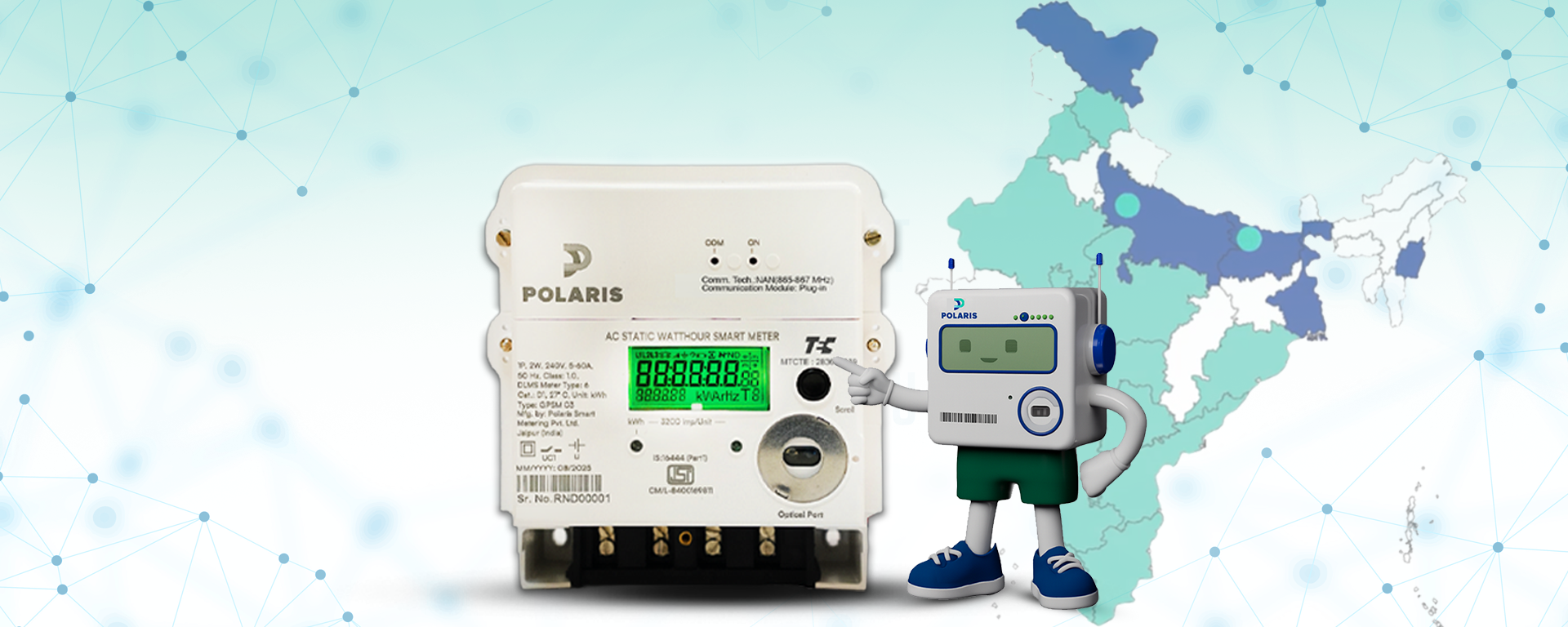
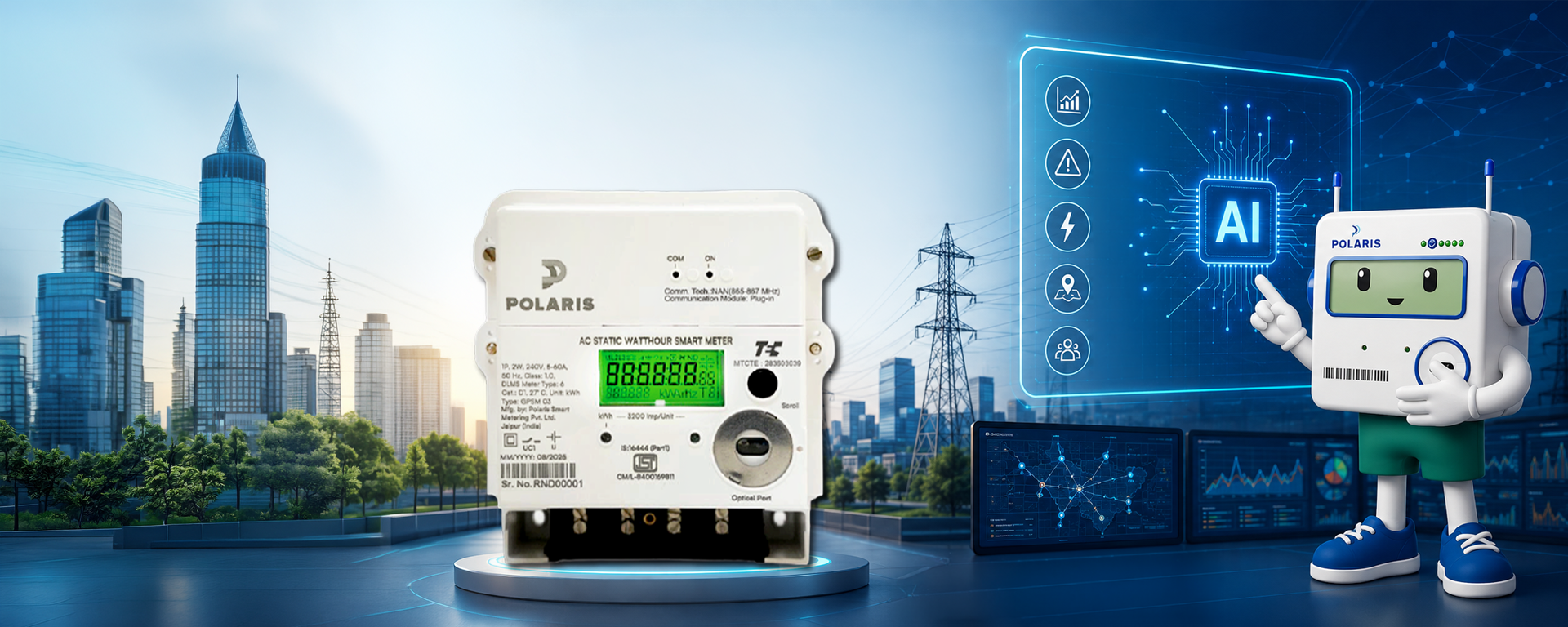
Hey, I'm ORBI!
Why Smart Meter Technology Is Important in India?
 Smart Metering
For years, India’s distribution companies have had to manage a complex electricity network with limited visibility into where power was going, how much was being consumed, where losses were occurring, and which parts of the network needed intervention.
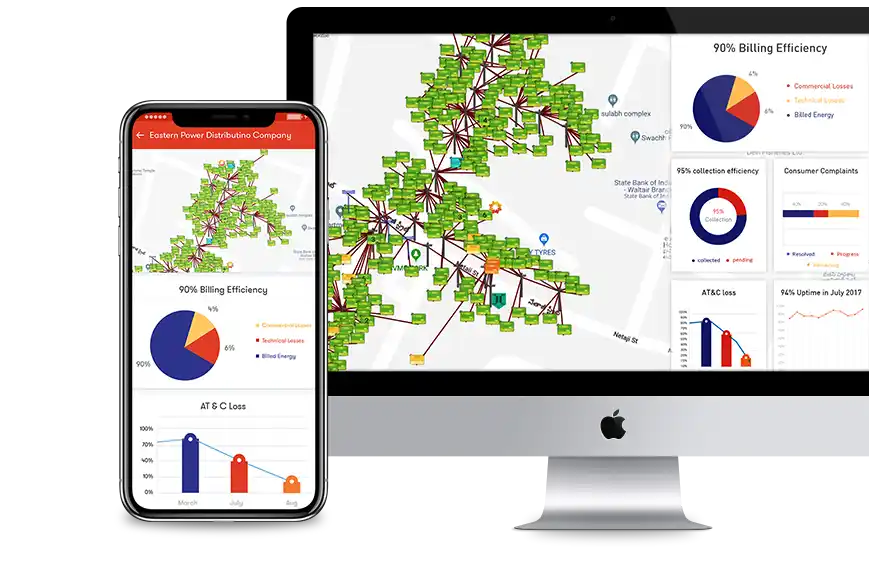
India’s Aggregate Technical & Commercial (AT&C) losses remained above 20% for much of the past decade, and in some states, they have crossed 30%. The impact goes far beyond a number on a balance sheet. Persistent losses put financial pressure on distribution companies, constrain investment in network infrastructure, and make it harder to deliver reliable and sustainable power.
For decades, electricity distribution has relied heavily on periodic meter readings, estimated consumption, manual processes and fragmented data. This makes it difficult to understand consumption patterns, pinpoint where losses are occurring, anticipate changes in demand, and see what is happening across the network between two meter readings.
Smart metering changes that equation. This article explores why smart metering matters, what it actually enables, and what India’s progress so far tells us about its potential to transform electricity distribution.
Aggregate Technical and Commercial losses, the figure India's power sector uses to measure the gap between electricity injected into the network and revenue collected, stood at 21.91 per cent in FY2021. That number represents a combination of actual technical losses during transmission, unmetered consumption, billing errors, and outright electricity theft. In a country that generates and distributes electricity to nearly 300 million consumer connections, a 21 per cent loss figure is not a rounding error. It is a structural crisis.
By FY2025, that figure had dropped to 15.04 per cent - a meaningful decline that the government credits substantially to the Revamped Distribution Sector Scheme and the smart metering rollout it drives. The direction of movement is real. The work to get the number further down to the target range of 12 to 15 per cent is ongoing. But the technology is clearly moving the needle in a way that manual metering, paper billing, and periodic field audits never could.
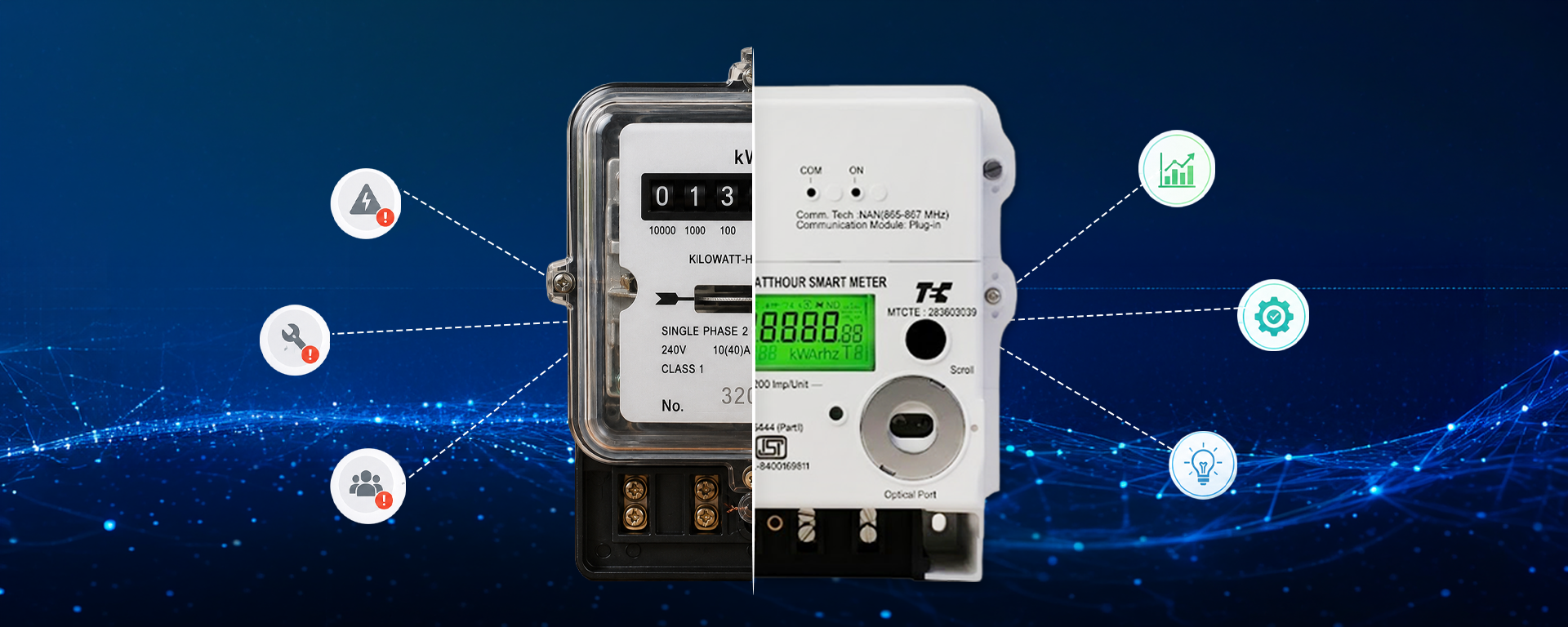
A conventional electromechanical meter does one thing: it records how much electricity has passed through it. A field agent reads it once a month, writes down a number, and that number becomes the basis for a bill that arrives weeks later. The utility has no real-time visibility into consumption, no way to know if the meter has been tampered with, no way to detect a fault on the network until someone calls to report an outage, and no ability to act on any of that information without sending a person physically to the location.
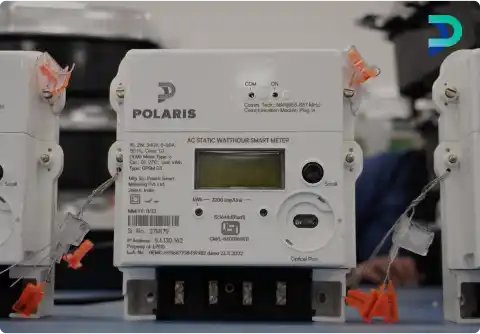
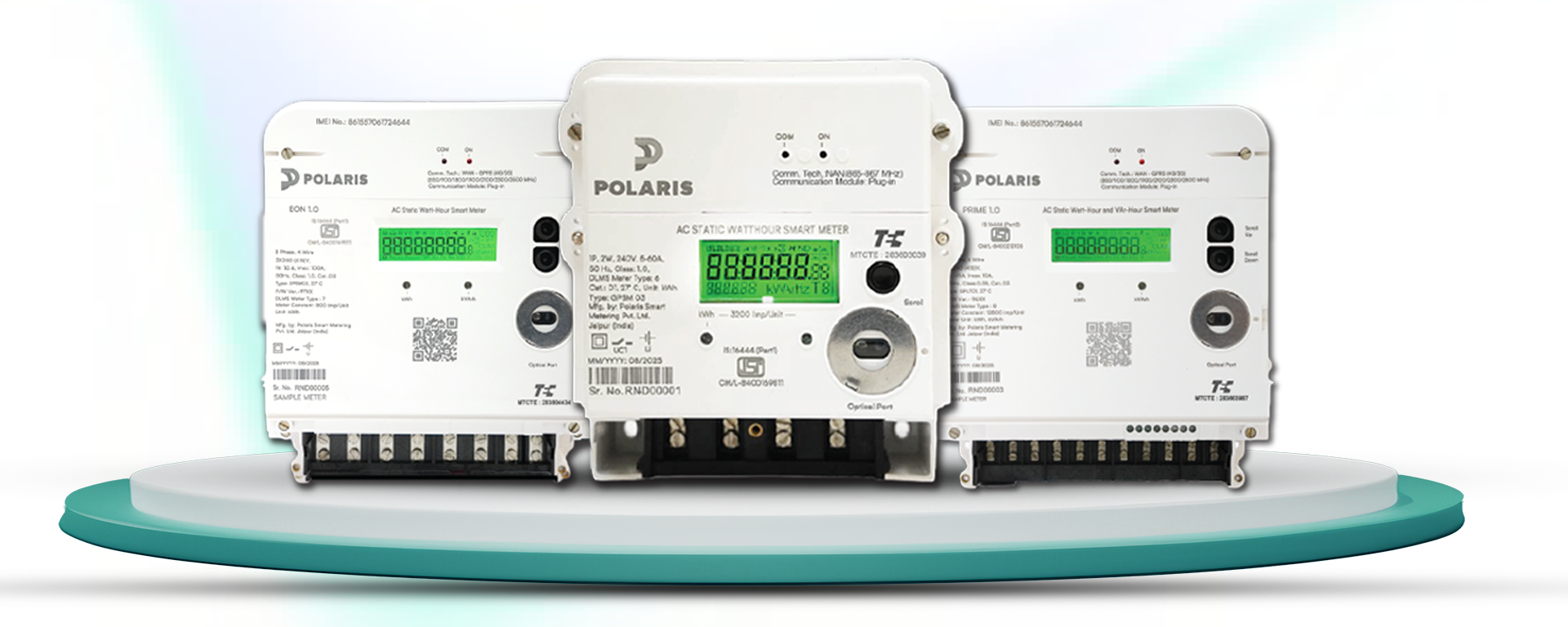
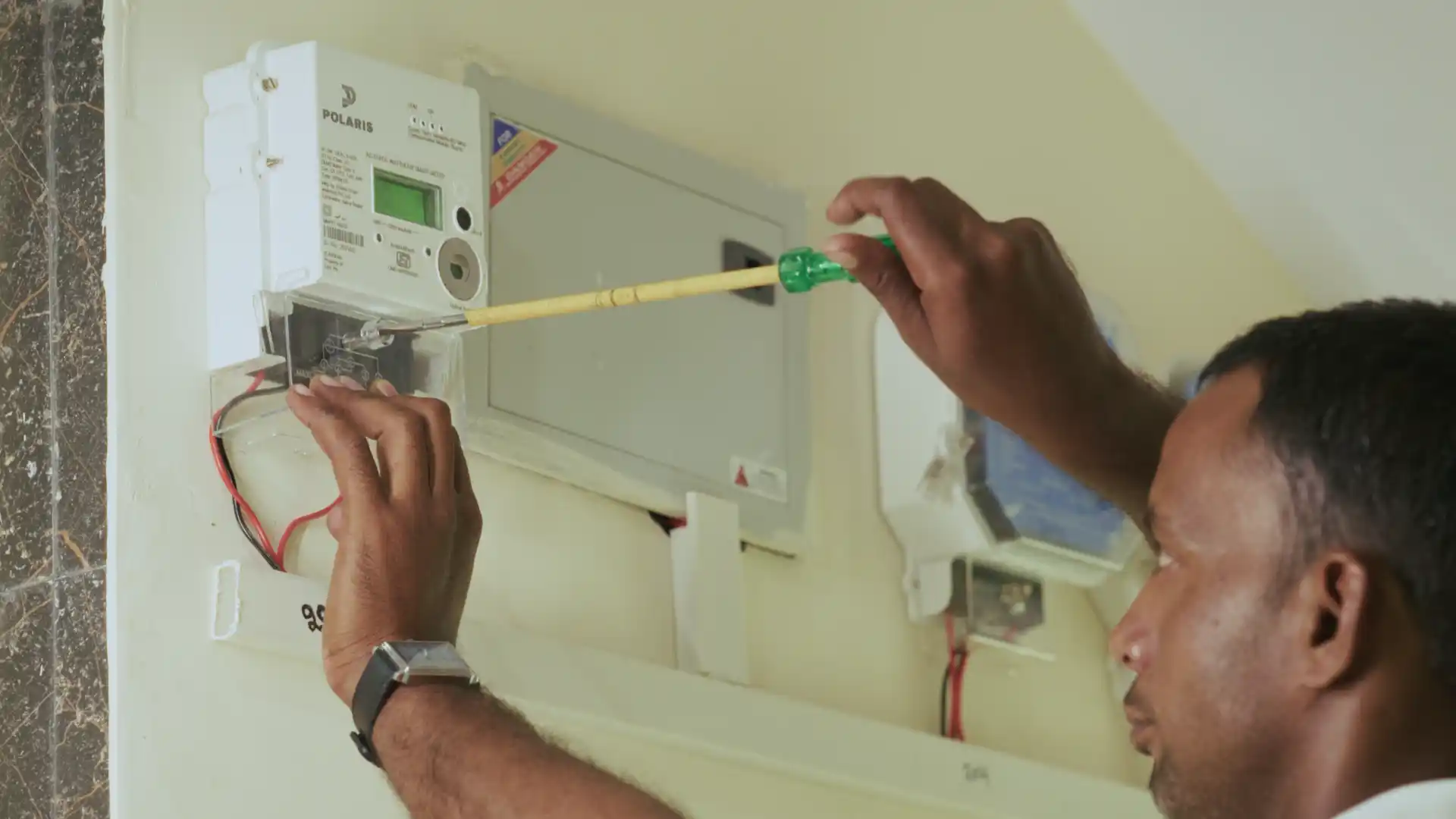
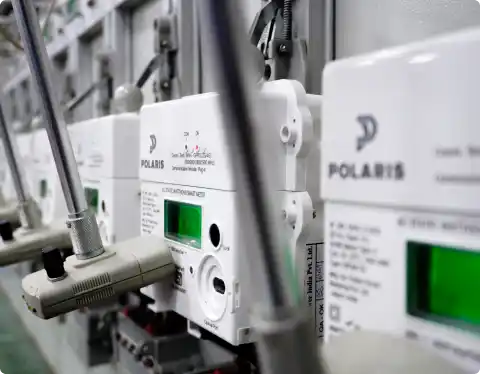
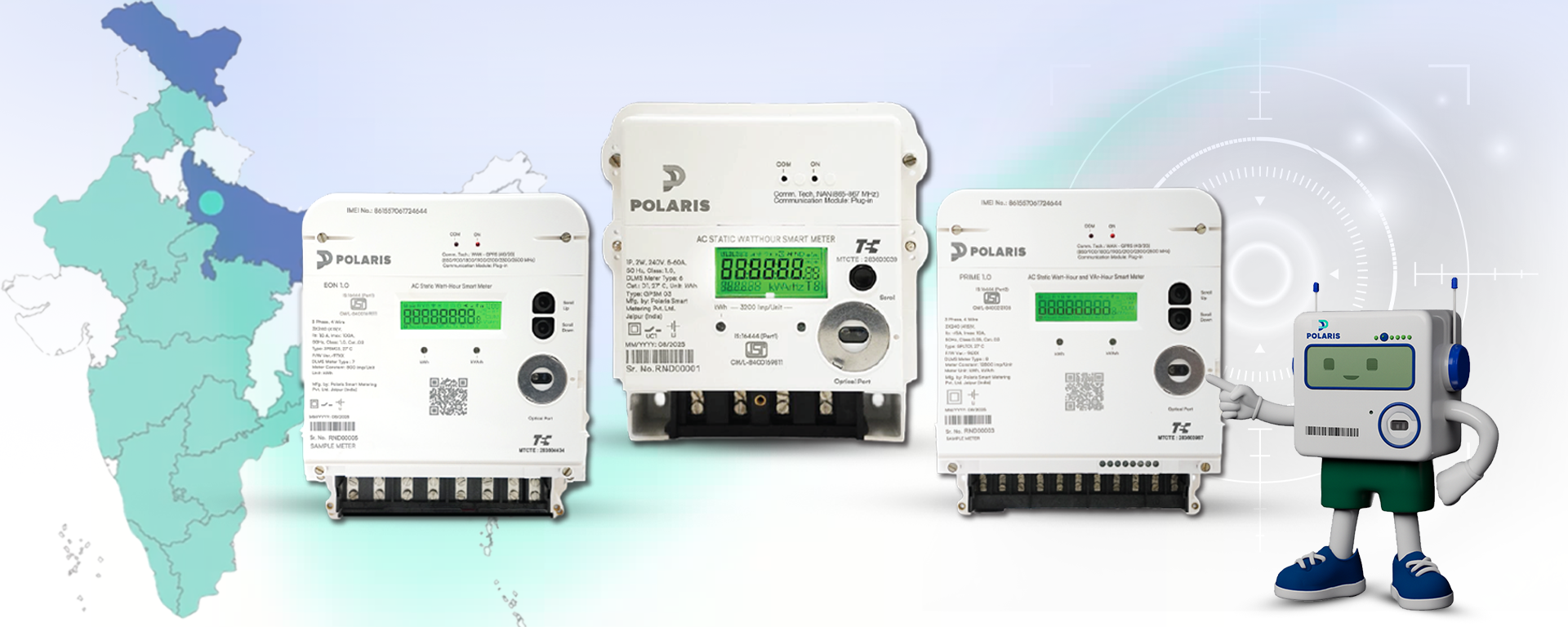
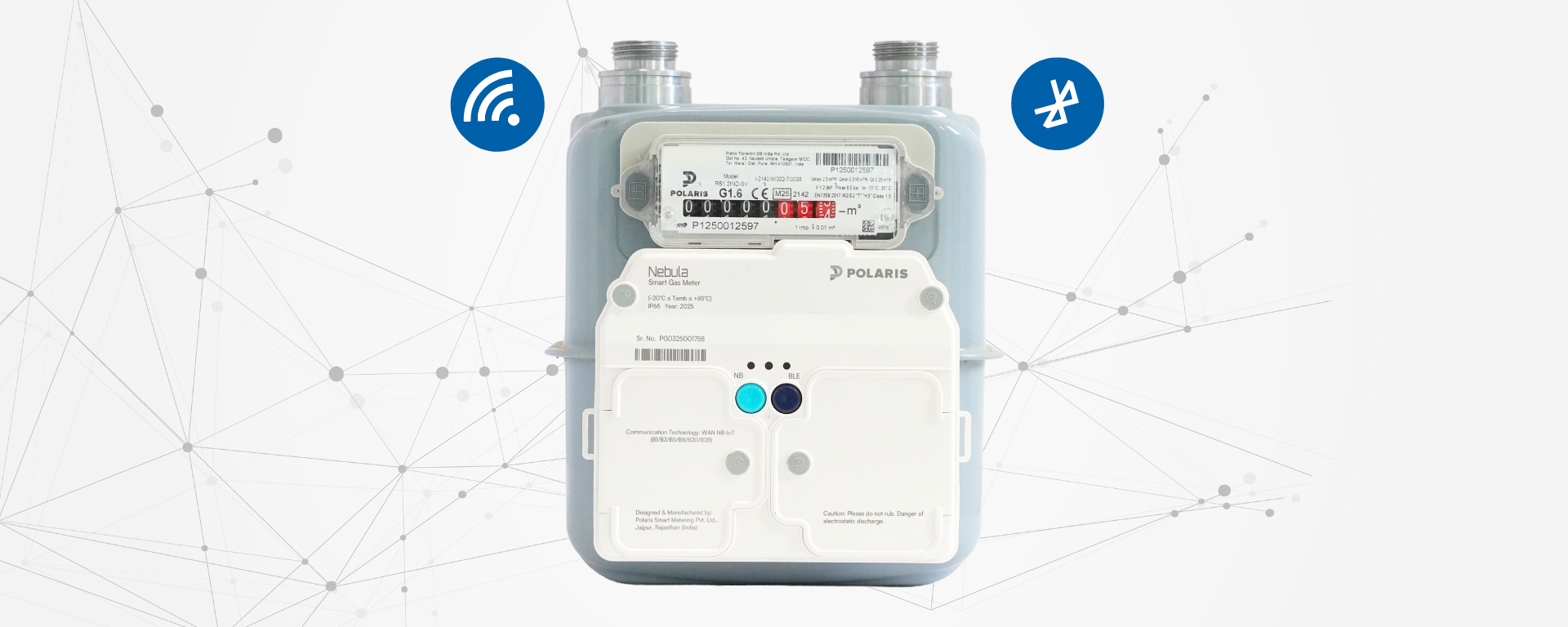
A smart meter communicates. It sends consumption data at intervals as short as 15 minutes. It reports voltage anomalies, power quality events, and outages the moment they occur. It flags consumption patterns that suggest tampering or bypass. It can be disconnected and reconnected remotely without a field visit. And it feeds all of this into a data platform where analysts and automated systems can identify problems, predict failures, and target interventions with a precision that manual processes simply cannot match.
The difference is not a hardware upgrade. It is a fundamental shift from operating blind to operating with visibility.
Theft of electricity in India takes many forms. Direct hooking, meter tampering, and manipulation of meter readings by field agents are all documented problems across multiple distribution utilities. Prosecuting any of these requires evidence. Smart meters generate that evidence continuously. When the energy entering a transformer does not match the aggregate of what the downstream meters record, the system flags the discrepancy immediately and identifies the specific section of the network where the loss is occurring. This is not something a utility auditor doing an annual survey can replicate. It requires data that only an AMI system can produce at the scale and frequency India needs.
When a meter is difficult to read, misread by an agent, or skipped entirely in a billing cycle, utilities fill the gap with estimated consumption. Over time, estimated billing accumulates into a picture of consumption that does not reflect reality. Tariff setting based on that data is flawed from the start. Smart meters eliminate estimated billing by providing actual consumption data every 15 or 30 minutes, giving utilities a factually accurate foundation for tariff design, demand forecasting, and infrastructure planning for the first time.
India has committed to substantial renewable energy targets. Solar generation peaks at midday. Consumer demand peaks in the evening. Managing the mismatch between when power is available and when it is needed requires a distribution network with real-time visibility at the consumer level. Smart meters, networked through an Advanced Metering Infrastructure system, provide exactly that. Time-of-Day tariffs, which incentivise consumers to shift their heavy usage away from peak demand windows, are only possible if the meter can record consumption by time period and communicate that data to the billing system. Conventional meters cannot do this.
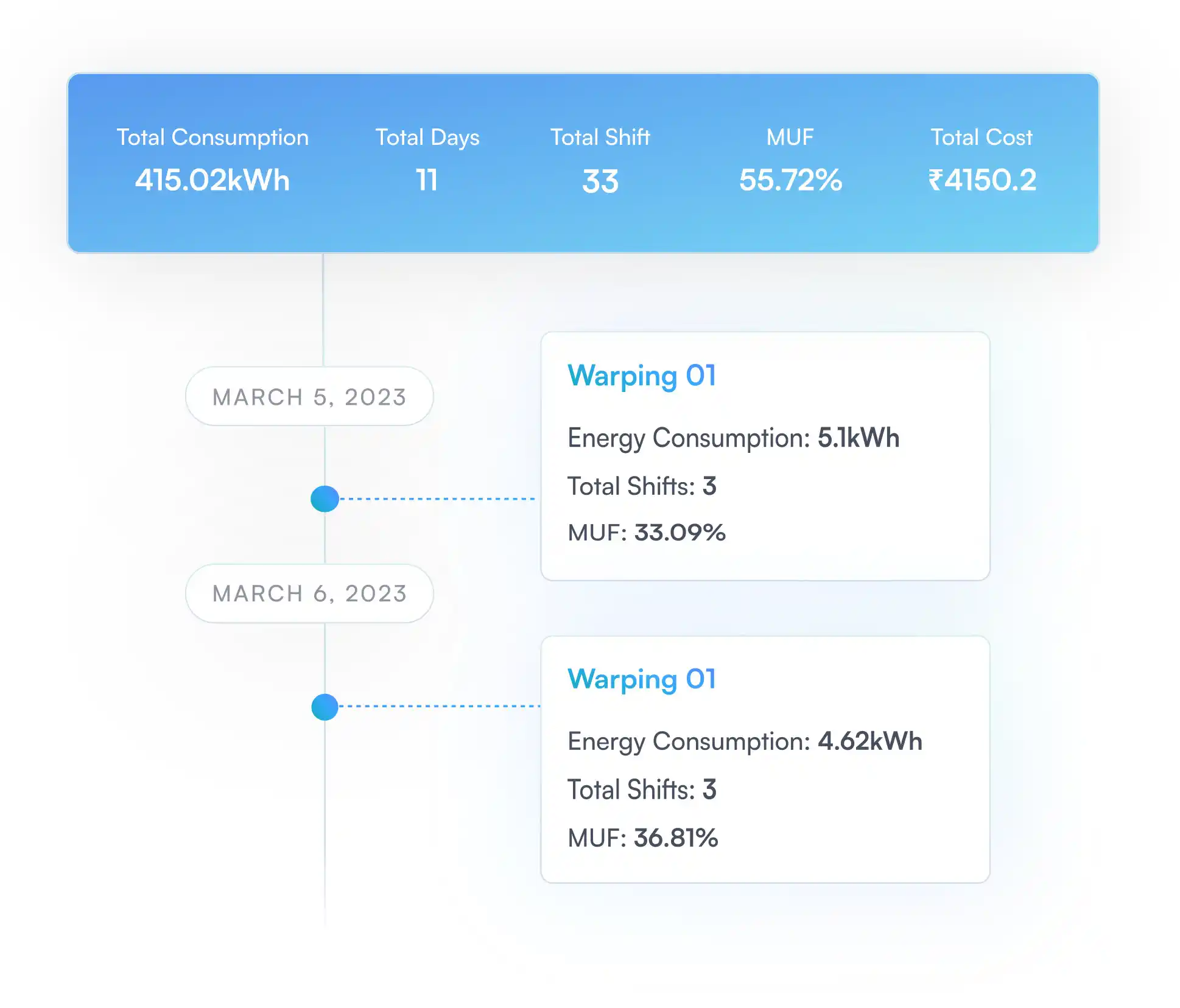
For most Indian electricity consumers, the bill that arrives is the only data point they have about their consumption. They have no visibility into when they use the most power, which appliances are the biggest contributors to their bill, or what they could do differently to reduce it. Smart meters, paired with consumer-facing platforms, change this. A consumer who can see their consumption in near real time, receive alerts when usage spikes, and understand how their behaviour affects their bill; is a consumer who is more likely to pay, less likely to dispute, and more likely to participate in demand response programmes.
India has taken a specific approach to smart meter deployment through the Advanced Metering Infrastructure Service Provider model. Rather than having distribution utilities buy hardware and manage the full AMI system themselves, an AMISP takes on responsibility for financing, deploying, maintaining, and operating the metering infrastructure under a long-term service contract, typically 8 to 10 years.
The approach is significant because large-scale AMI requires more than installing meters.
It requires:
Meter deployment
Communications infrastructure
Head-End Systems
Meter Data Management
Integration with utility systems
Data security
Operations and maintenance
Field support
Long-term system performance
This also changes the definition of success. A project cannot be considered successful simply because a certain number of meters have been physically installed.
The meters need to communicate, data needs to be accurate, the systems need to process it, and utilities need to be able to act on it.
Companies like PolarisGrids operate in this space, taking end-to-end responsibility for metering infrastructure across multiple states under contracts that run for a decade. The model only works if the technology is reliable, the data infrastructure is robust, and the analytics produce outputs that utilities can act on.
One of the clearest lessons from the RDSS rollout is that installing smart meters is not the same as realising the full benefits of smart metering.
A meter can be physically installed and still deliver limited value if it is not communicating reliably, if the data it generates is not being processed effectively, or if utilities do not have the systems and processes needed to act on that information. Similarly, the benefits of prepaid metering depend not just on having a prepaid-capable meter, but on effective activation, consumer adoption and supporting utility processes.
Good implementation therefore requires much more than hardware in the field. It requires a communication infrastructure that reliably moves data from the meter to the head-end system. It requires a data platform that processes and presents data in a form analysts and automated systems can act on. It requires consumer communication that builds understanding and reduces resistance to new billing arrangements. And, perhaps most importantly, it requires utilities to have the organisational capabilities and workflows needed to turn data into action.
At current installation rates of approximately 80,000 meters per day, India is expected to deploy an additional 30 to 36 crore meters between 2026 and 2030, bringing total smart meter penetration to somewhere between 35 and 40 crore by the end of the decade. The government has indicated a two-year extension of the RDSS scheme to FY2027-28, which makes full target completion feasible by 2028-29.
The bigger challenge over that period is not installation pace. It is utilisation. The value of 40 crore smart meters depends entirely on what distribution utilities do with the data they generate. Loss detection, demand forecasting, predictive maintenance, time-of-day tariff design, consumer engagement - all of these require not just meters in the field but the data infrastructure, analytical capability, and organisational readiness to act on what the meters reveal.
That is the work ahead. India has made the most significant infrastructure investment in its power sector in decades. The return on that investment will be determined by how well the data layer built on top of it is used.
What is a smart meter and how does it differ from a regular electricity meter?
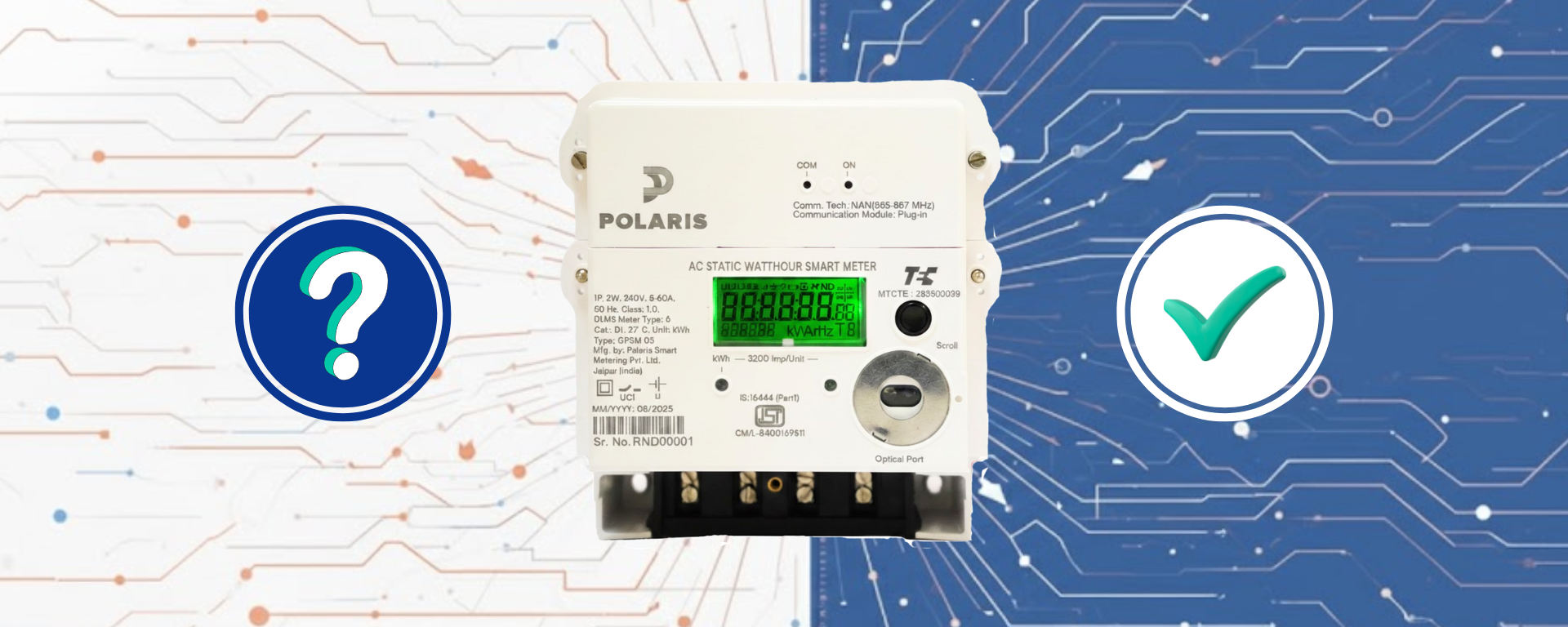
A conventional meter records total consumption and requires a field agent to read it manually each month. A smart meter communicates consumption data automatically at regular intervals, typically every 15 or 30 minutes, and supports two-way communication between the consumer's premises and the utility's data systems. It can be read, configured, and in some cases disconnected remotely, without a field visit.
What are AT&C losses and why do smart meters reduce them?
AT&C losses are the gap between electricity supplied to a distribution network and the revenue realised from it. Smart meters provide accurate, timely consumption data, helping utilities reduce estimated billing, identify anomalies and pinpoint high-loss areas for targeted action.
What is an AMISP?
An Advanced Metering Infrastructure Service Provider takes end-to-end responsibility for deploying, financing, operating, and maintaining smart metering infrastructure on behalf of a distribution utility under a long-term service contract. The model allows utilities to access smart metering capability without large upfront capital expenditure.
Can consumers see their own consumption data through a smart meter?
Yes. Smart meters generate granular consumption data that, when connected to a consumer-facing application, allows households and businesses to see how much electricity they are using in near real time. This visibility supports more informed consumption decisions and is a key part of the demand-side management potential of AMI systems.