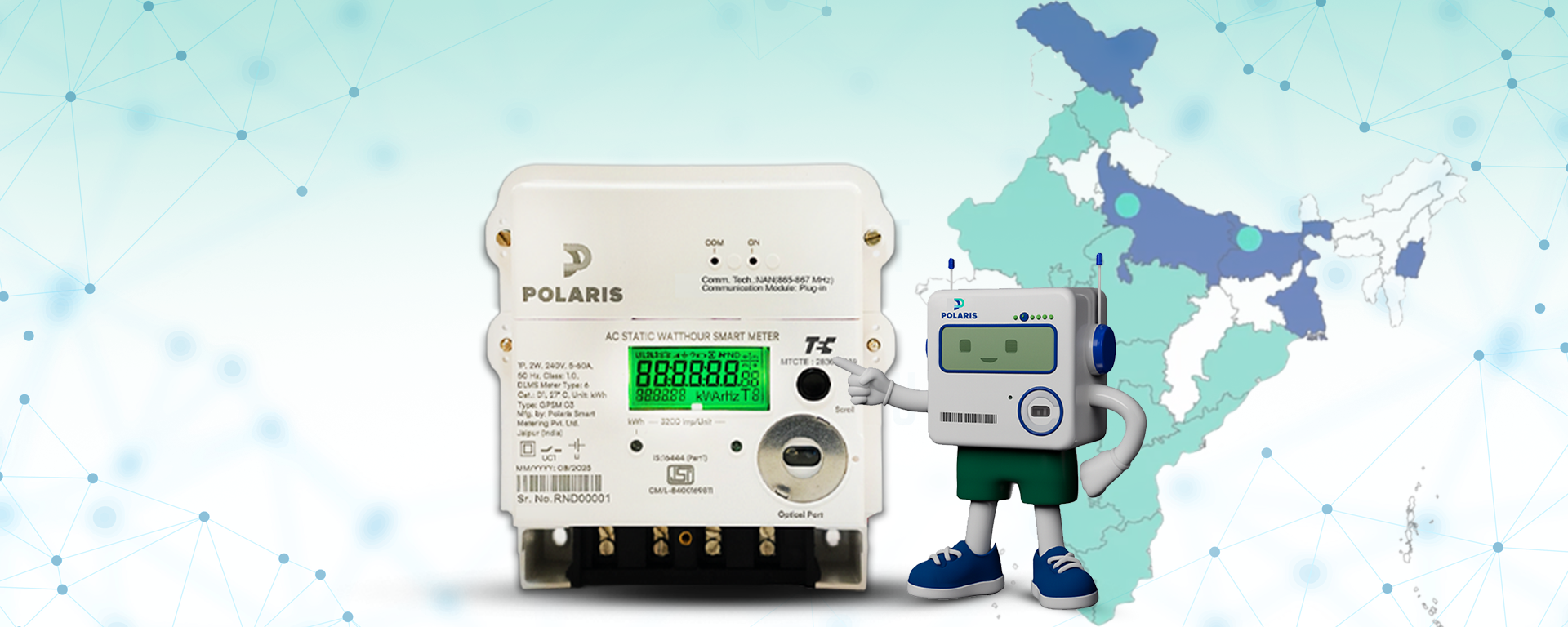
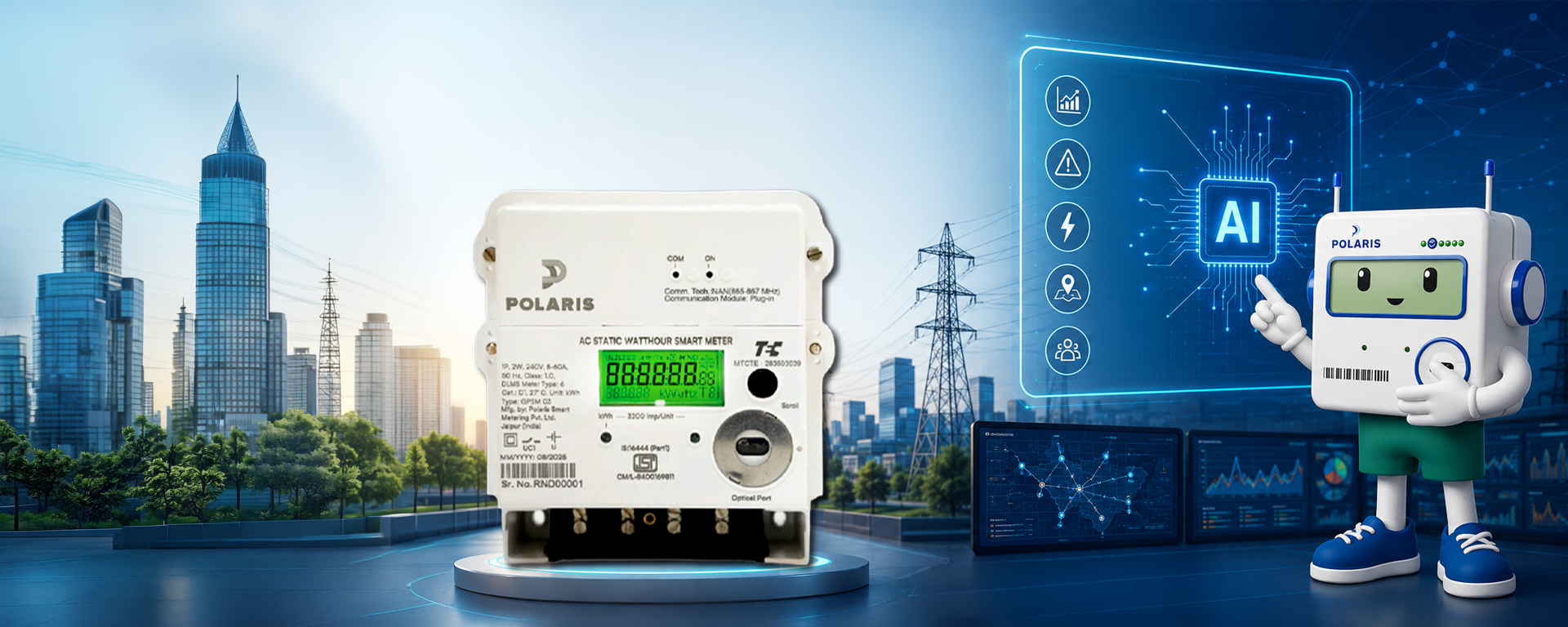
Hey, I'm ORBI!
Smart Meters: A Smarter Way to Manage Energy
 Smart Metering
Rising electricity bills are becoming a growing concern for households and businesses. Every month, the bill arrives with a number that may seem higher than expected, but how often do we actually know where all that energy went?
With conventional meters, consumers typically see their electricity consumption only after the billing cycle is over. By then, it is too late to change the habits that contributed to the bill.
This is where smart meters make a difference.
A smart meter does not simply measure the levels of electricity used. It assists you in comprehending your utilisation, pattern spotting and decision-making. It becomes a lot easier to manage energy when you can actually see how you are using electricity in real time.
Here’s a closer look at the way smart meters operate, why they are important and how they can assist you in saving on both energy and money.
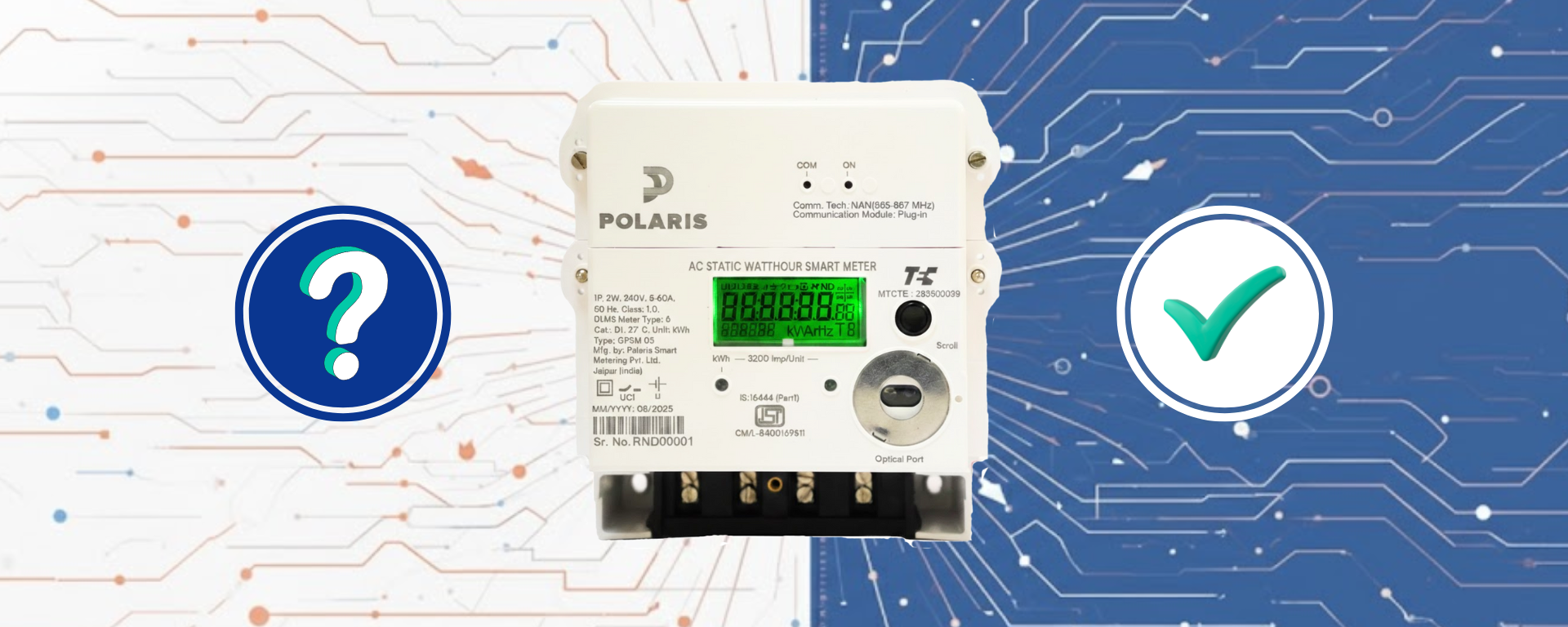
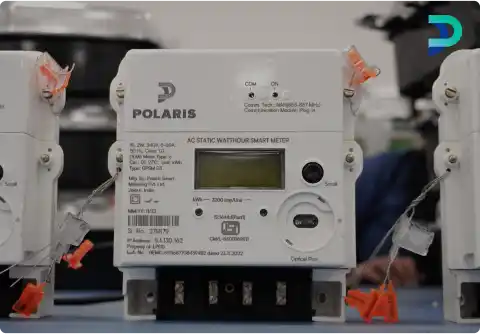
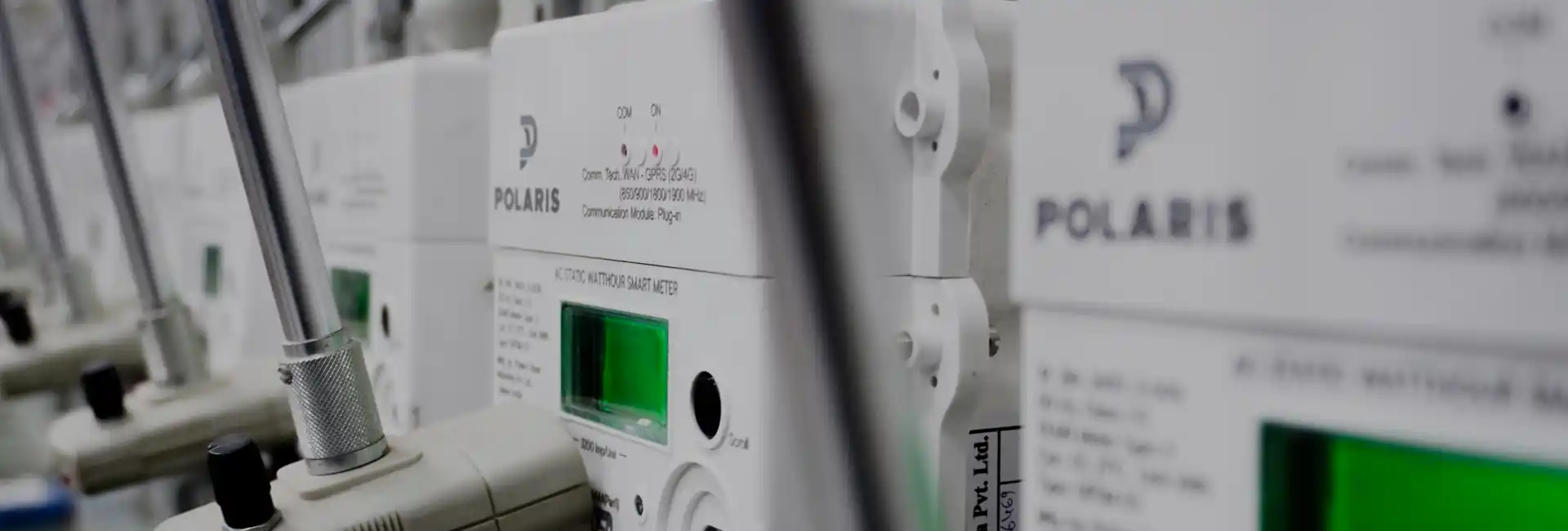
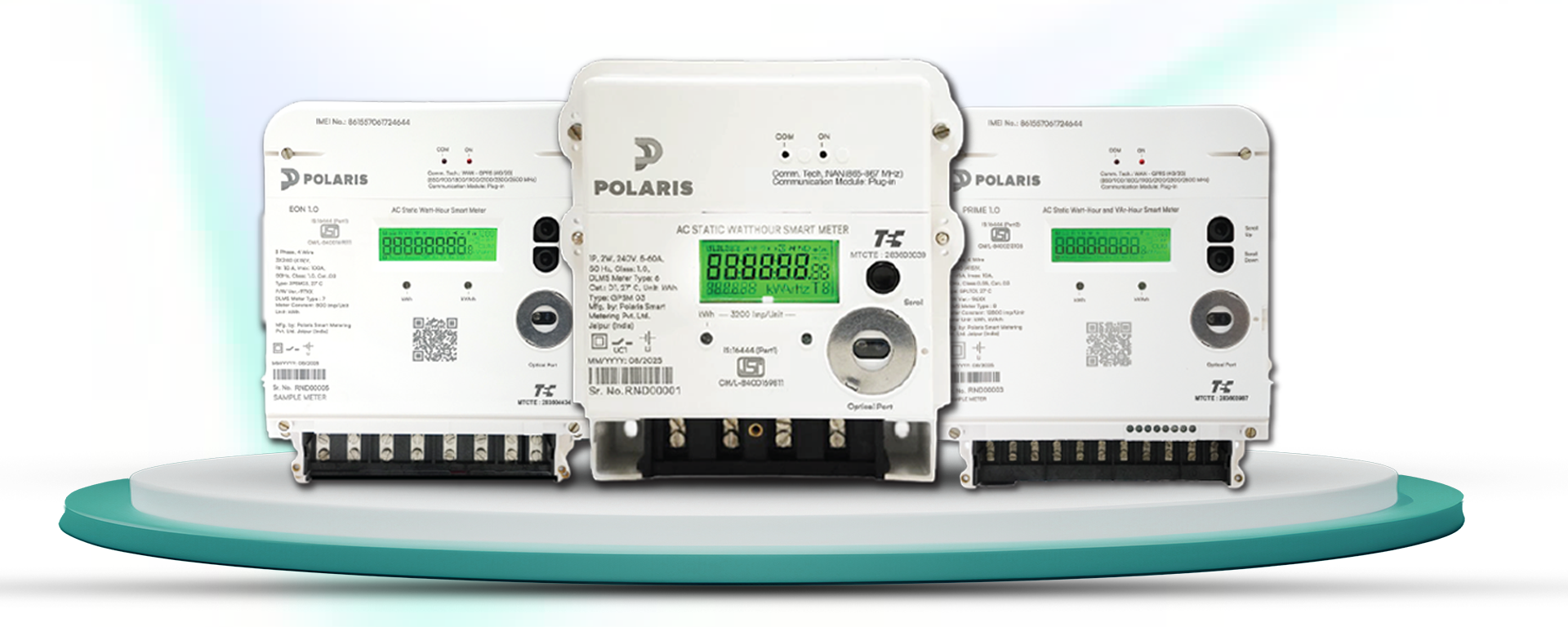
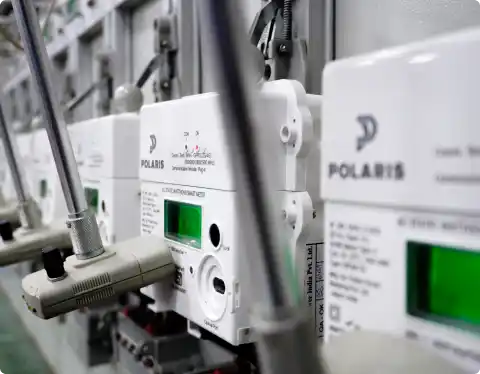
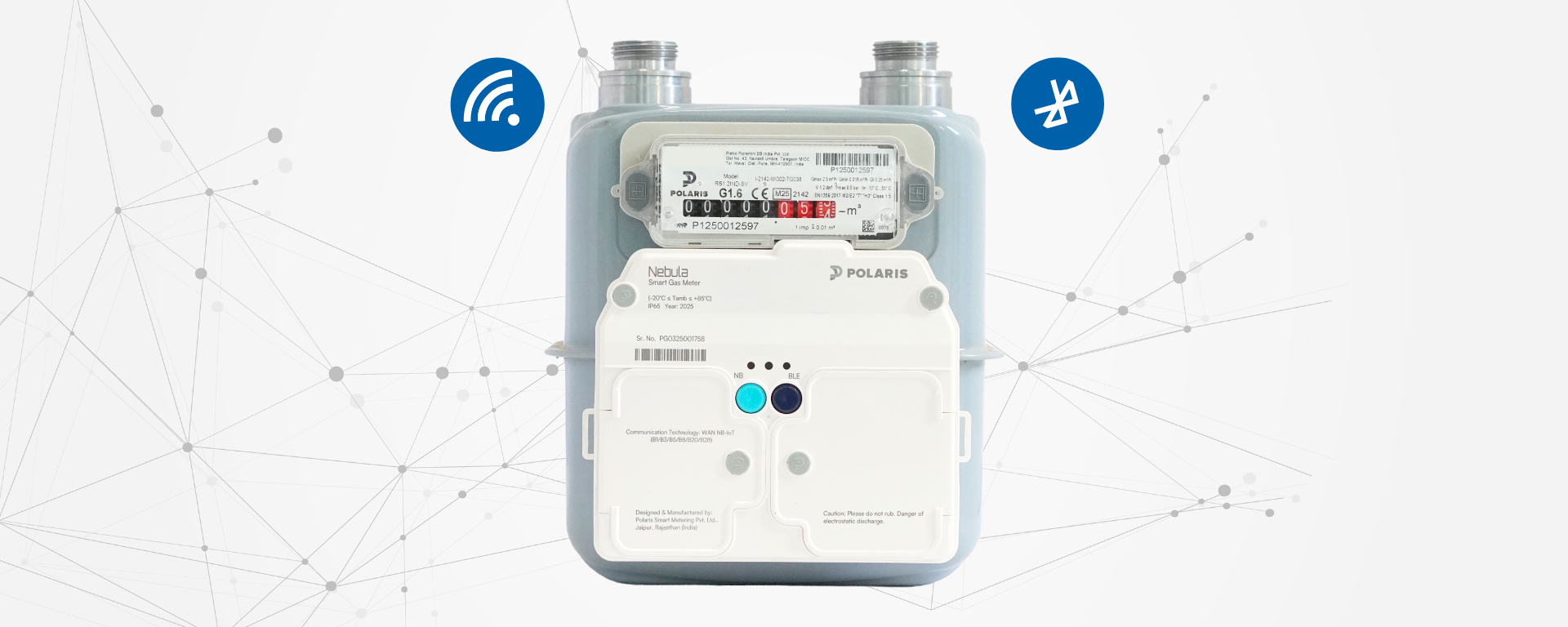
A smart meter is a digitally enabled electricity meter that records energy consumption and communicates meter data electronically to the utility.
Unlike traditional meters that generally require manual reading, smart meters can automatically transmit consumption data through a communication network. This can help utilities improve billing accuracy while giving consumers better visibility into their electricity usage.
Smart meters offer:
Automated meter readings
More accurate consumption data
Reduced dependence on estimated readings
Better visibility into electricity usage
Faster access to consumption information
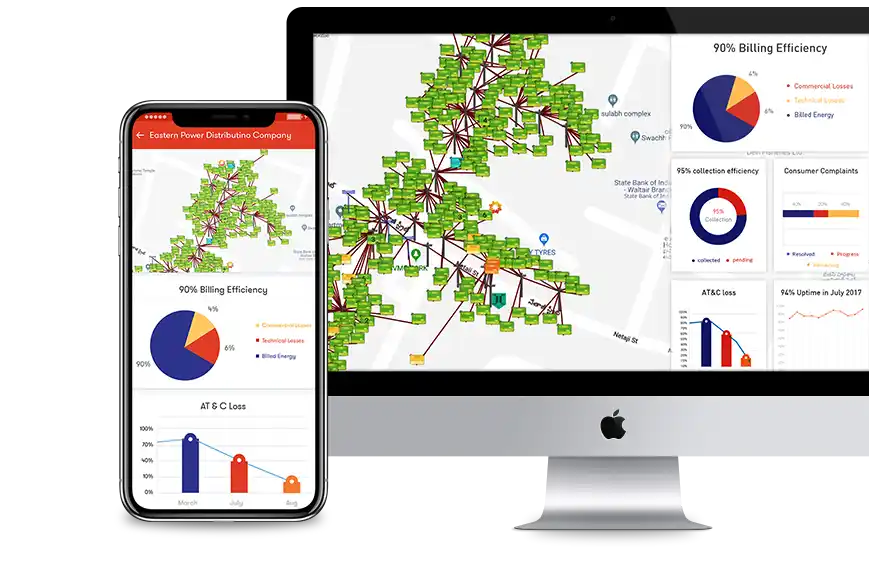
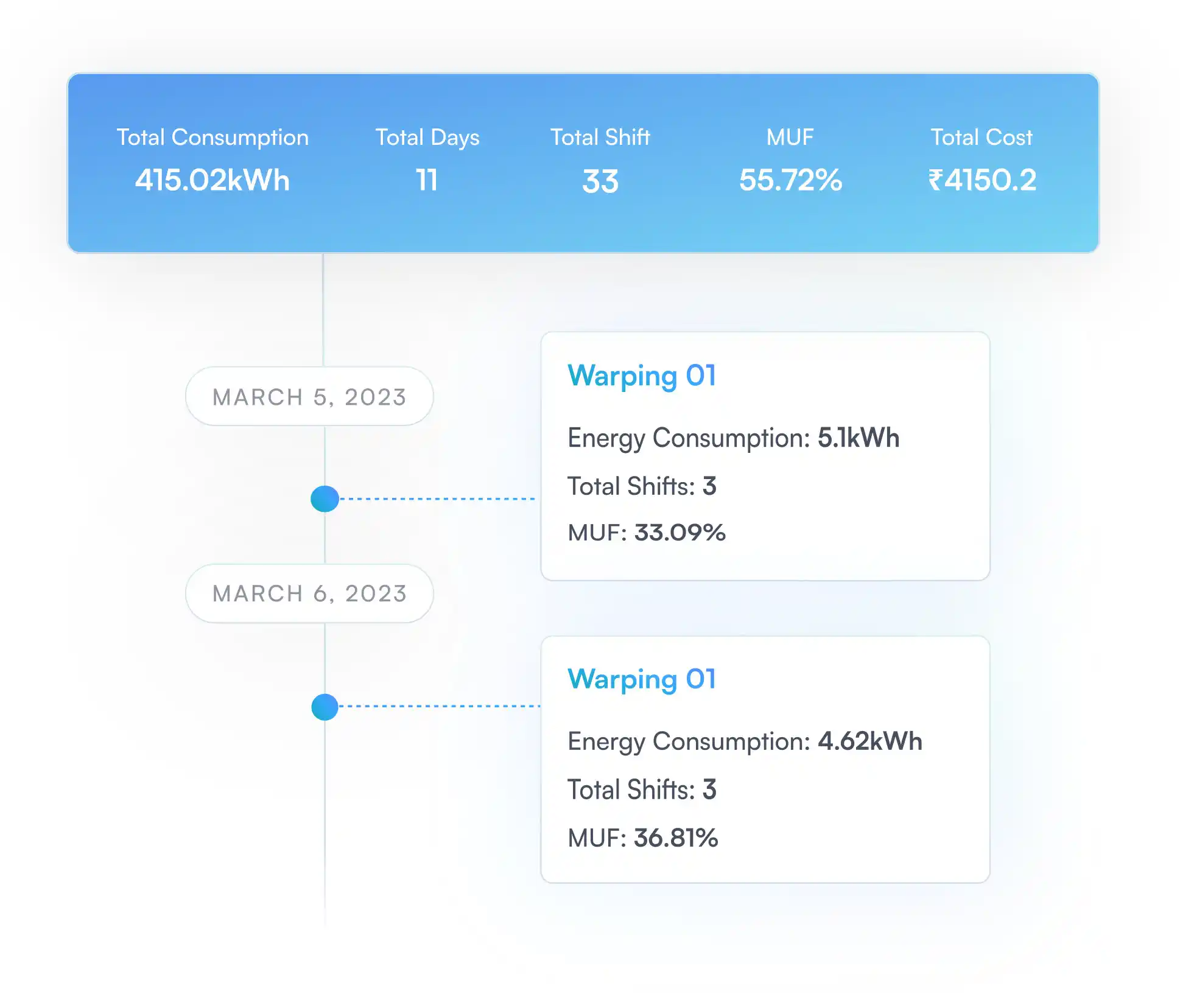
The majority of smart meters come with an in-home display, which displays your energy consumption in real-time. Smart metering systems also provide consumers with access to usage information through a smart meter management mobile application, helping them understand their usage & spends more easily.
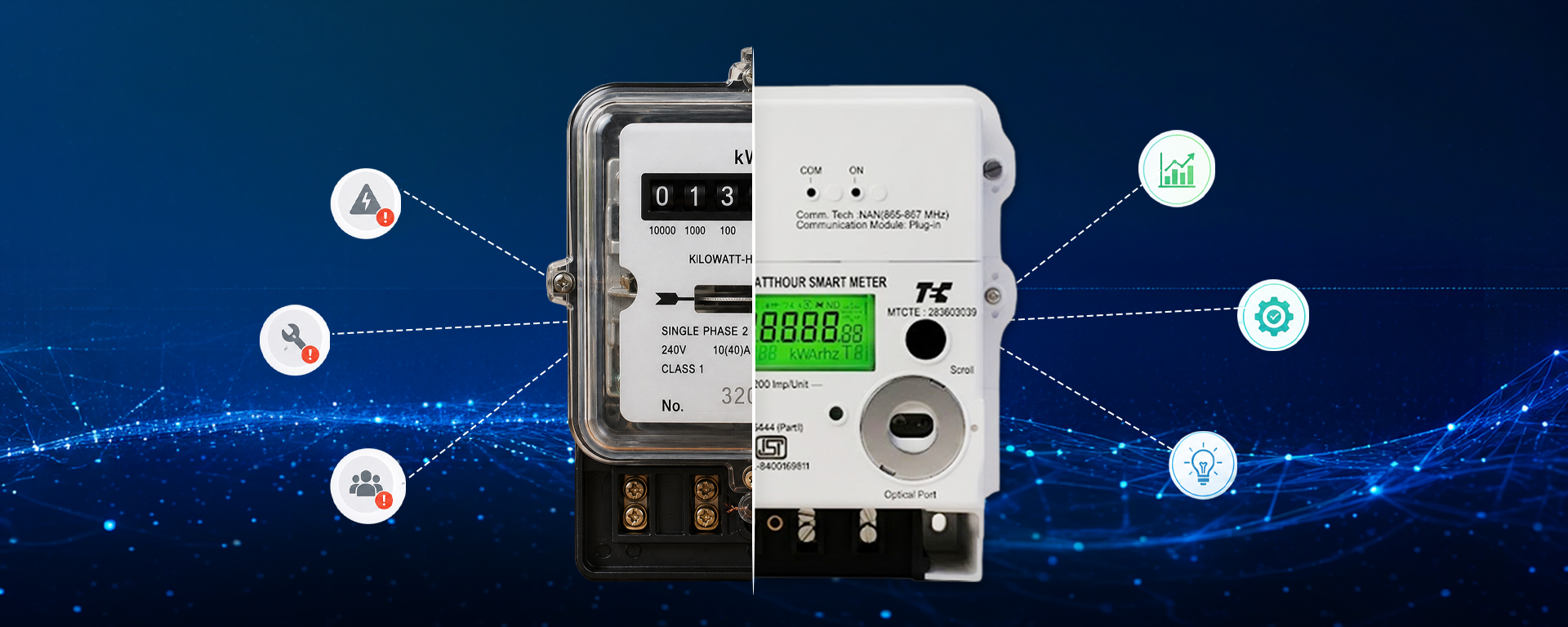
With traditional meters, consumers have a very limited visibility into their electricity consumption. People cannot identify their peak-usage time; multiple appliances running together can significantly contribute to a higher electricity bill. With smart meters, people get better visibility into their usage, easily identifying their electricity usage trends.
Traditional meters rely on manual meter readings, which make them highly error-prone, often leading to estimated readings & bills. Smart meters automatically transmit consumption data to the utility, helping reduce dependence on manual readings and estimates.
For consumers, this can mean greater visibility into actual consumption and potentially fewer surprises caused by differences between estimated and actual usage.
In some electricity markets, utilities offer time-of-use tariffs, where electricity prices vary depending on the time of day.
Where such tariffs are available, smart meters can support consumers in understanding their consumption during different time periods. For example, consumers may choose to schedule certain energy-intensive activities during lower-cost periods, where applicable.
This can help optimise electricity expenses without requiring major lifestyle changes.
Energy efficiency and cost management often go hand in hand. But the financial value of smart metering is not limited to simply using less electricity.
With smart meters, you get real-time insights into your consumption patterns, making it easier for you to identify how your electricity usage is affecting your bill. With more real-time visibility into your consumption patterns, you can make adjustments on the go and avoid any bill surprises at the end of the month.
A sudden increase in electricity consumption can indicate a change in usage, an inefficient appliance, or another issue that deserves attention.
Monitoring consumption patterns can help you spot unusual changes early, allowing you to investigate before they become a recurring problem.
Smart meters do not guarantee a specific amount of savings. The actual benefit depends on factors such as electricity tariffs, household or business consumption, and how consumers respond to the information available to them.
However, even small improvements in daily energy habits can contribute to lower consumption over time.
An electricity bill tells you how much you owe. Smart metering can help you understand why your consumption may be changing. That additional visibility can help you make more informed decisions about your energy use.
With smart meters, your electricity usage becomes smarter. With visibility into your peak-load time, you can continue enjoying the appliances and conveniences you need while identifying unnecessary consumption and reducing avoidable waste.
With manual meter readings being the only source of data collection with Traditional meters, electricity bills are bound to be error-prone with estimated bills. However, smart meters automatically send your consumption data to the DISCOM at defined intervals, reducing the risk of estimated billing & errors.
Once you know when and where electricity is being consumed, it becomes easier to set realistic goals. You can compare your consumption month after month, identify improvements and understand which habits are making a difference.
Electricity consumption is changing rapidly. Homes and businesses are increasingly adopting technologies such as:
Energy management systems
Smart metering can provide valuable consumption data as these technologies become a larger part of everyday energy use.
With automated communication between the meter and the utility, consumers may have less need to manually submit meter readings.
The result is a more connected and digitally enabled metering experience.
Yes, Smart meters are completely safe. Smart meters are designed and tested according to applicable technical, safety and regulatory requirements. They communicate meter information through designated communication technologies, while data handling and security depend on the utility's overall smart metering architecture and applicable regulations.
Smart meters are designed to measure and communicate electricity-related information. They are not designed to provide utilities with access to personal activities inside a consumer's home.
Like any technology, smart meters may come with certain challenges.
Consumers may initially need time to understand new usage information or digital interfaces. In some situations, communication or connectivity issues may temporarily affect the availability or timeliness of data.
However, these challenges do not take away from the broader benefits of having better visibility into electricity consumption.
The key is understanding how to use the information effectively.
Smart meters are suitable for a wide range of consumers, including:
Homeowners who want better control over rising bills
Renters who pay their own energy costs
Small businesses looking to manage overhead expenses
Families trying to reduce energy waste.
Anyone interested in sustainable living.
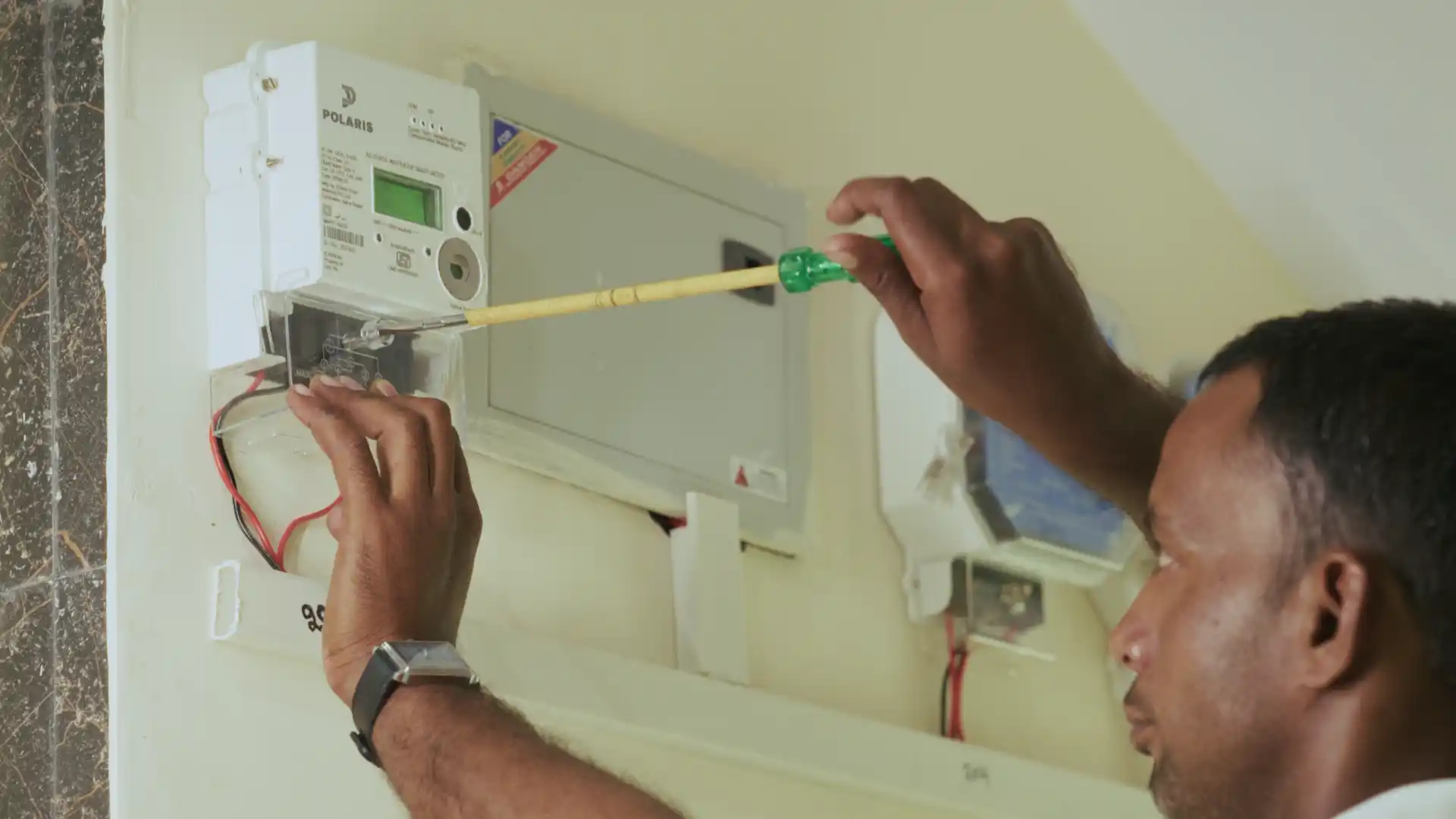
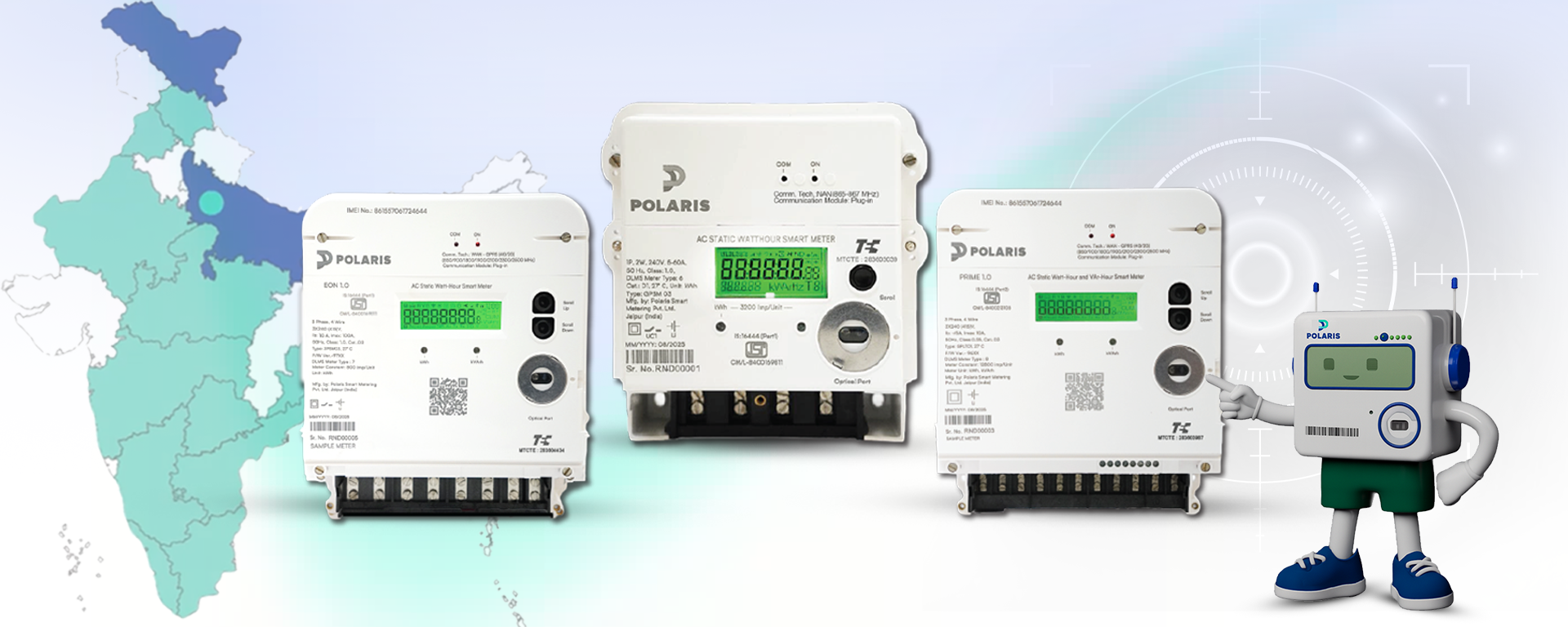
Energy providers like Polaris are installing smart meters across various states under the Revamped Distribution Sector Scheme. If smart meters are being deployed in your area, you can check with your electricity provider about the installation process and eligibility.
Before installation, you can ask your utility about:
The smart meter installation process
How consumption data will be made available
Available tariff options
The digital tools or apps available to consumers
What to expect during and after installation
For decades, electricity meters have played a simple role: measure consumption and record it for billing.
Smart meters take that role a step further.
By enabling automated data collection and better visibility into electricity consumption, they can help create a more informed relationship between consumers and energy.
When you can see your energy usage clearly, managing it becomes smarter, simpler and more informed.