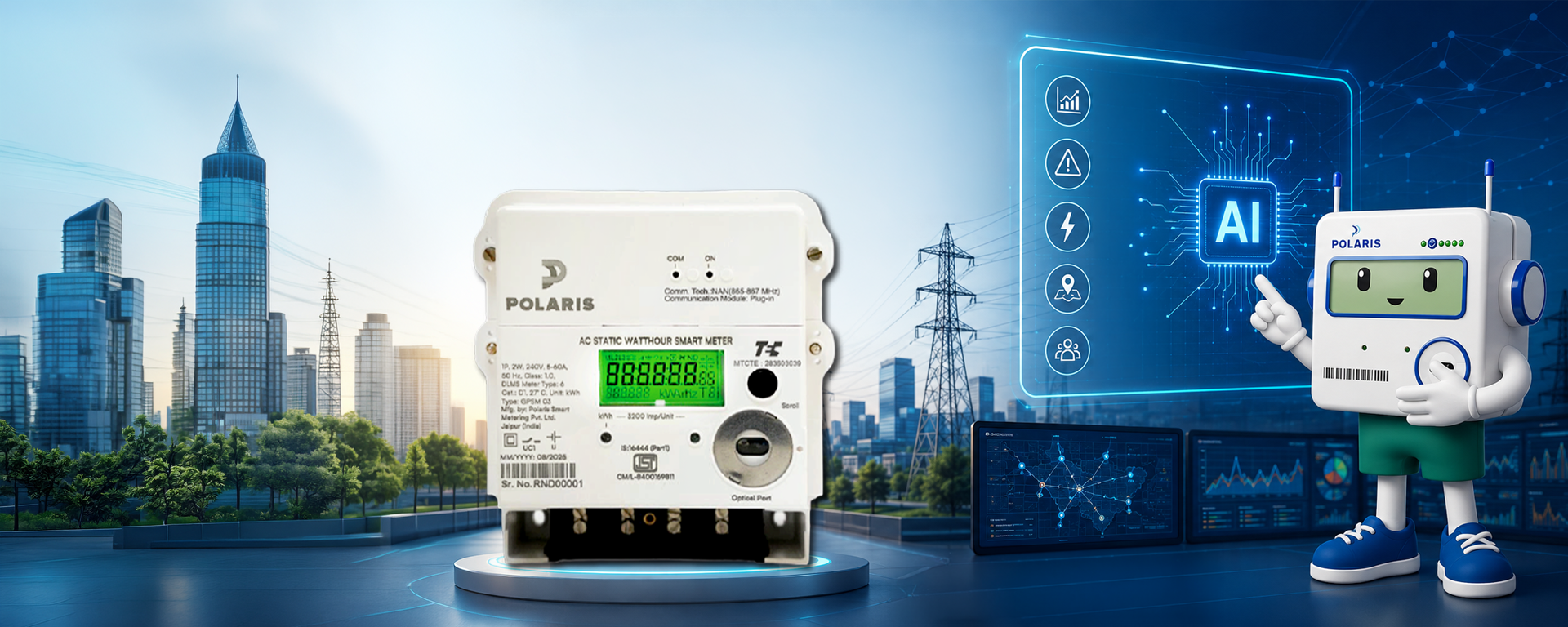
Hey, I'm ORBI!
Smart Metering: Powering India’s Energy Transition
 Smart Metering
India’s energy landscape is undergoing a historic transformation. Rising electricity demand, ambitious renewable energy targets, and the need for sustainable infrastructure are forcing the country to rethink how electricity is generated, distributed, and consumed.
At the heart of this transition is smart metering—a digital technology that improves energy transparency, strengthens electricity grids, and empowers consumers with real-time insights into their power consumption.
Smart meters are not merely a replacement for traditional electricity meters. They are a foundational component of India’s modern power infrastructure, enabling efficiency, transparency, and sustainability across the energy ecosystem.
As India moves toward a smarter and more resilient power grid, smart metering is playing a crucial role in enabling both utilities and consumers to manage energy more intelligently.
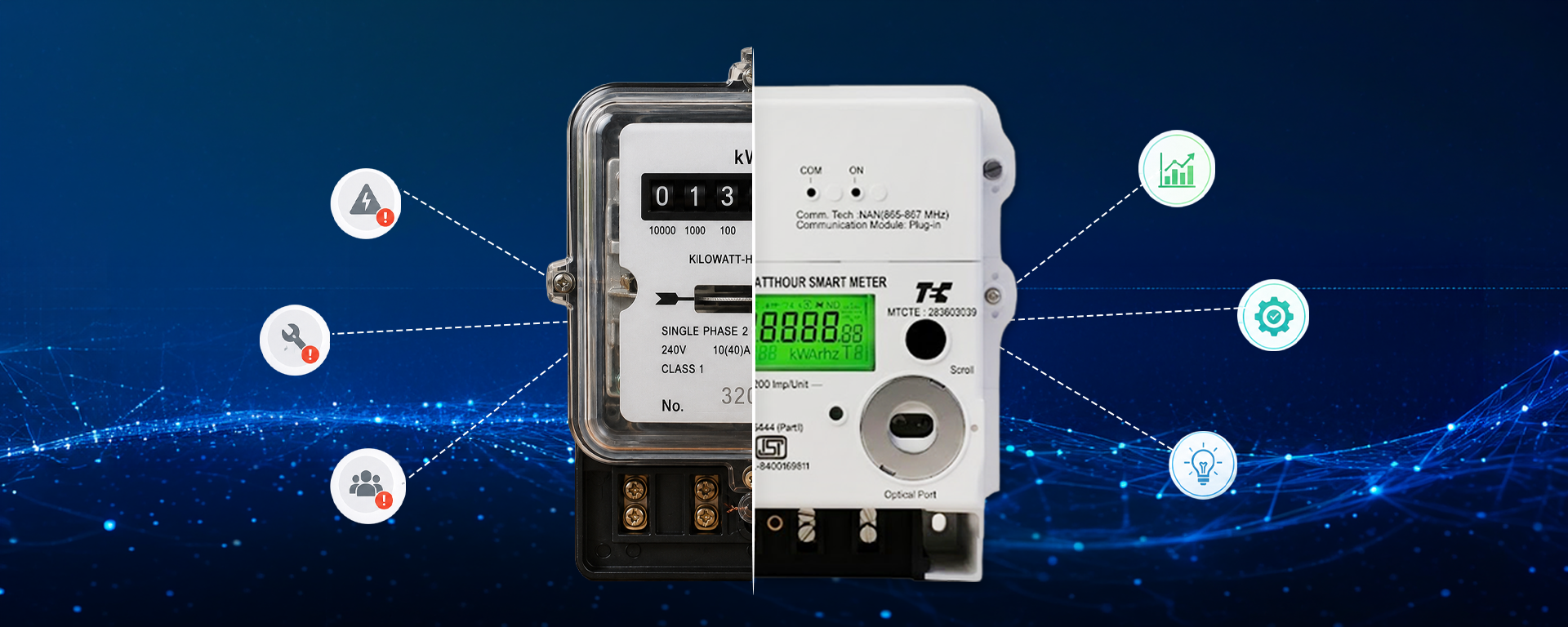
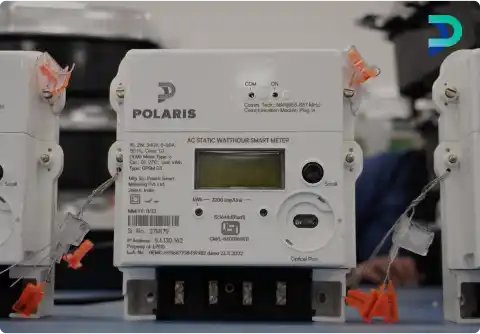
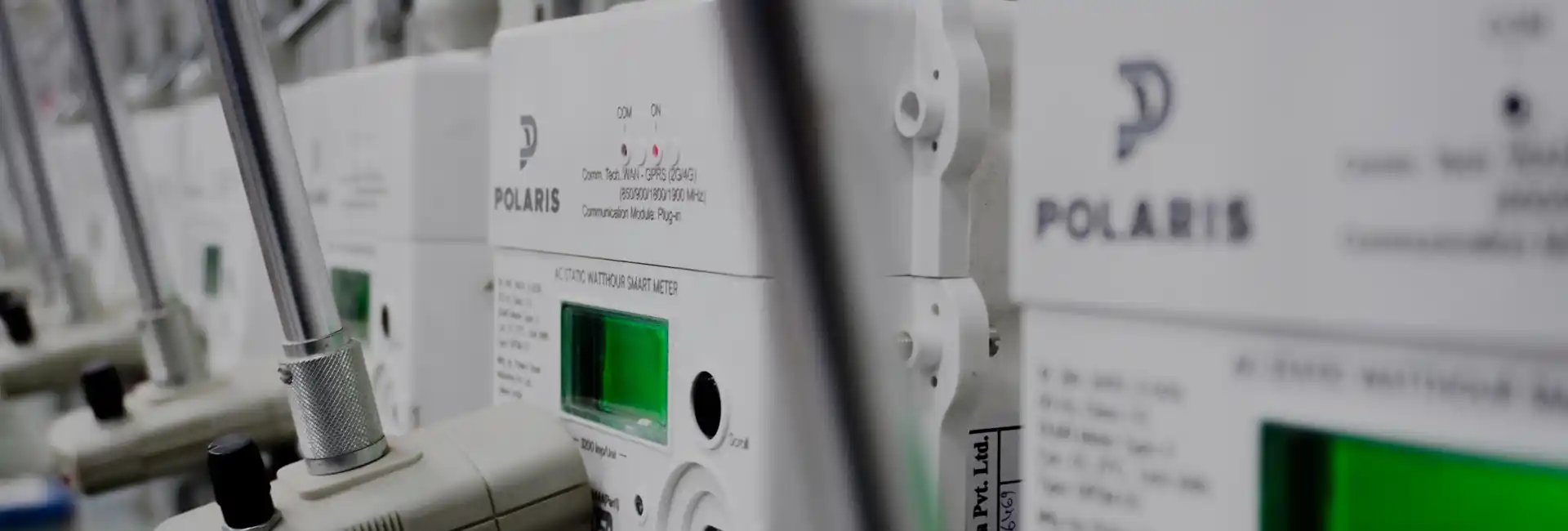
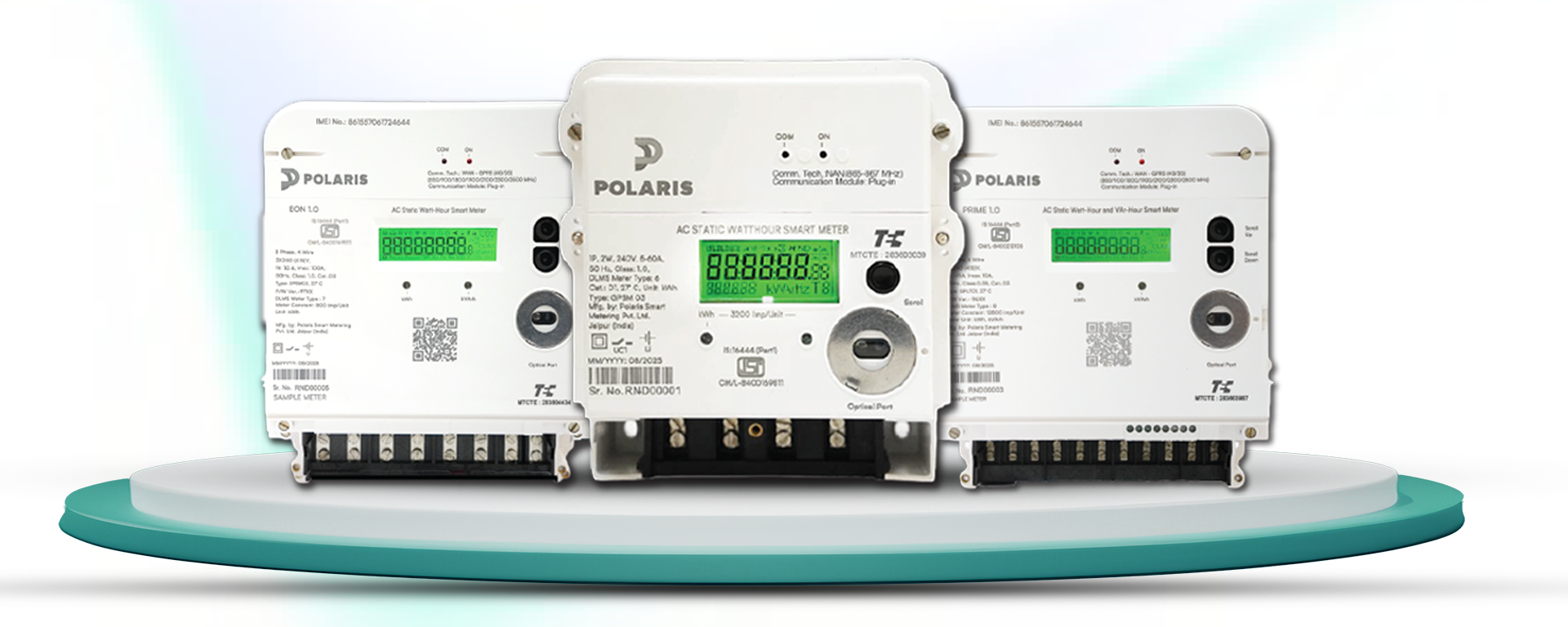
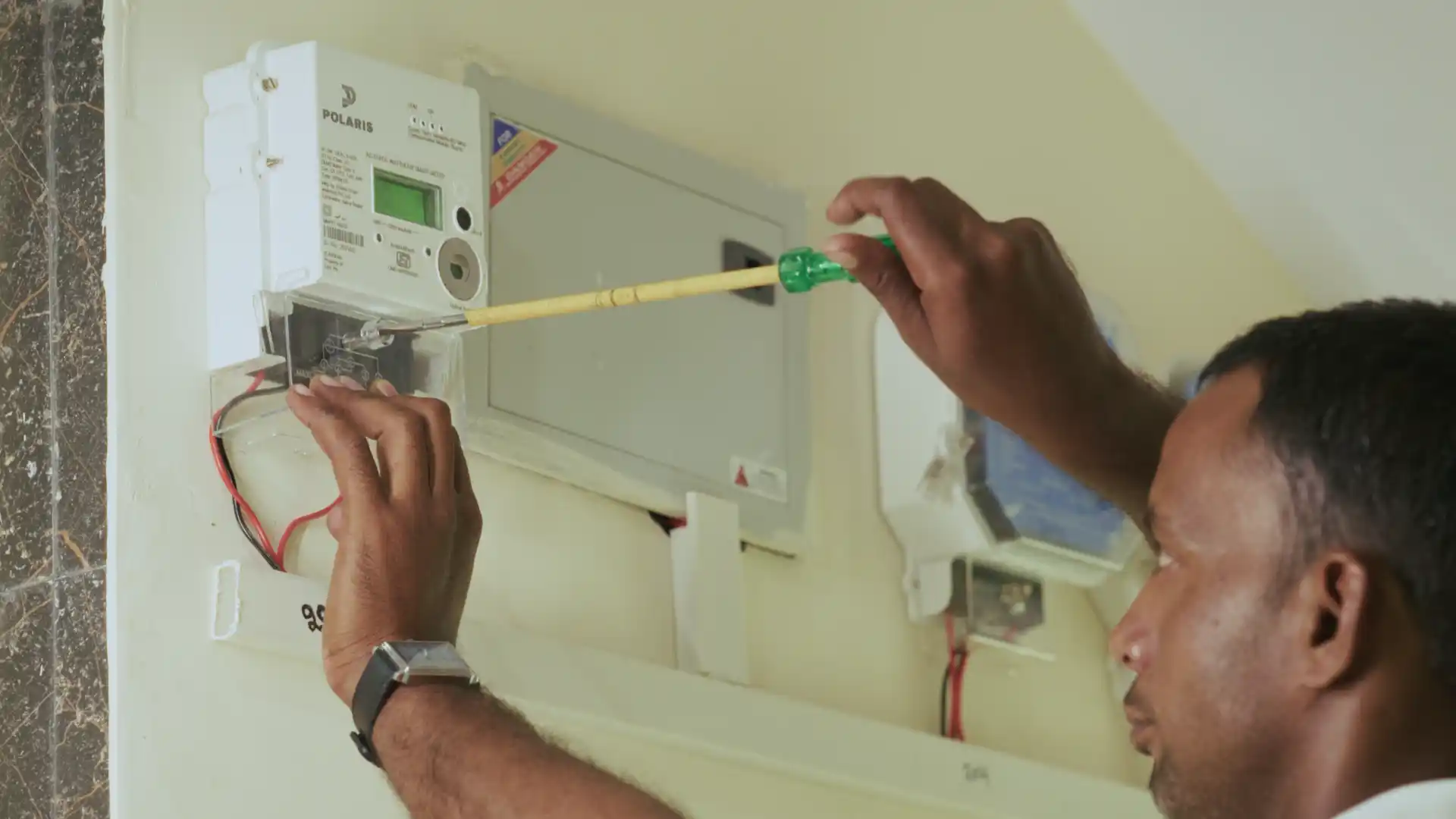
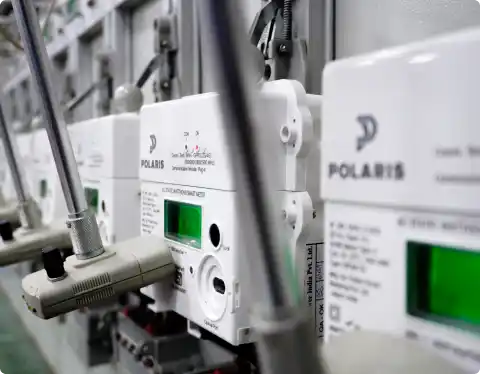
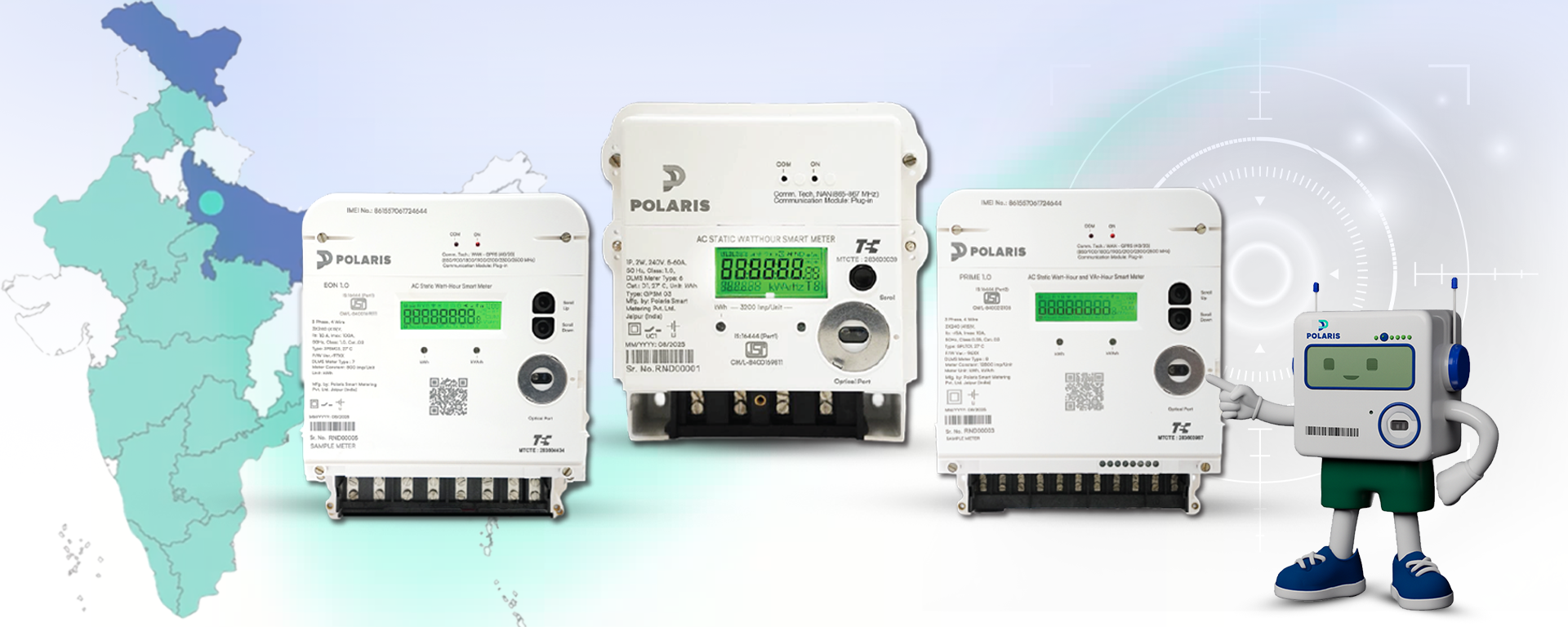
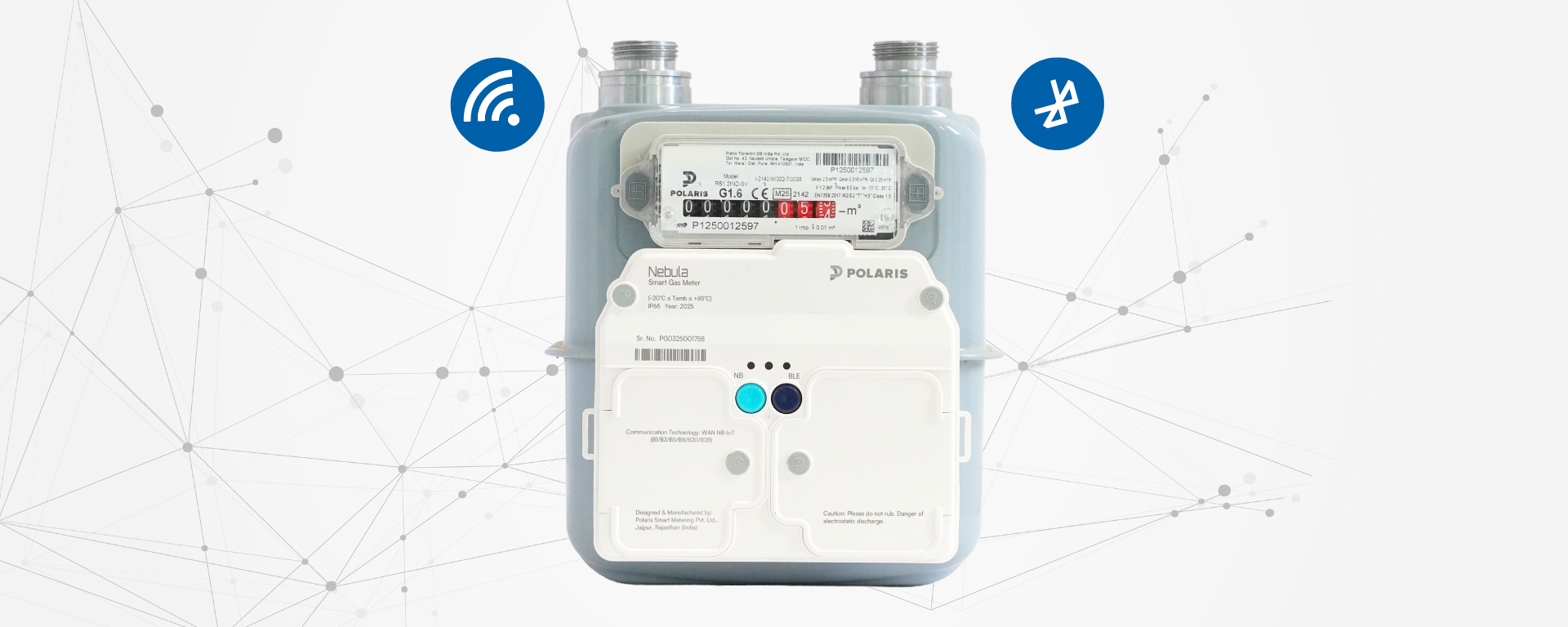
A smart meter is a digital electricity meter that automatically records energy consumption and securely communicates the data to the electricity distribution company (DISCOM).
Unlike conventional meters—which require manual readings and often result in delayed or estimated billing—smart meters provide accurate, real-time consumption data.
Smart electricity meters offer several advanced capabilities:
These capabilities make smart meters an essential component of modern smart grids and digital energy systems.
India has committed to major energy goals, including expanding renewable energy capacity, reducing carbon emissions, and improving overall energy efficiency. Smart metering supports these goals in several ways.
One of the biggest challenges in energy management is the lack of visibility.
Traditional meters provide consumers with only monthly consumption data, offering little insight into when and how electricity is used.
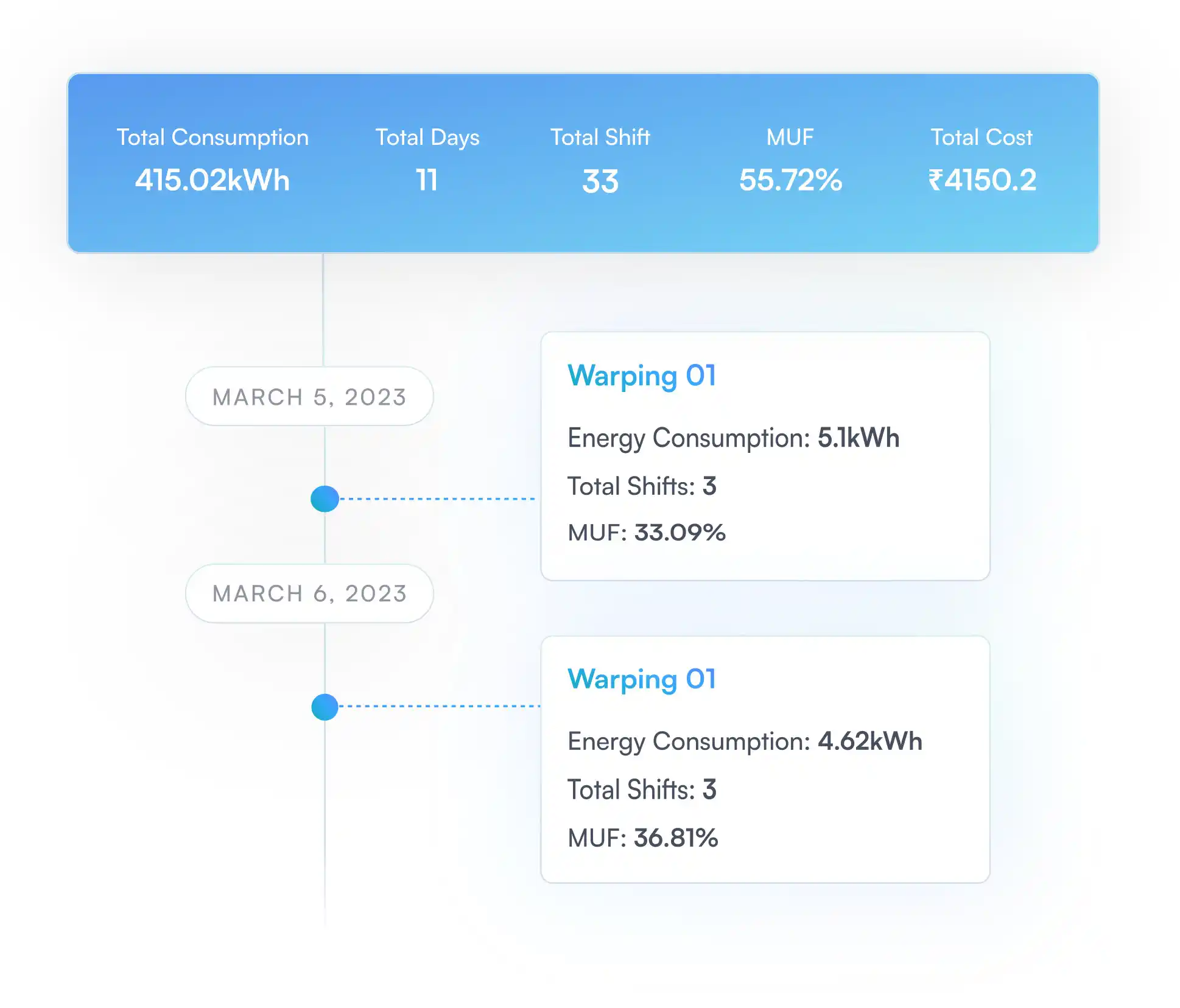
Smart meters solve this problem by providing detailed, real-time energy insights, allowing households and businesses to:
When consumers can see how they use electricity, they are more likely to adopt energy-efficient habits.
India is rapidly expanding its renewable energy capacity, particularly solar and wind power. However, renewable energy sources are intermittent and variable, which creates challenges for grid management.
Smart meters help utilities manage this variability by enabling:
By improving demand visibility, smart metering helps ensure that clean energy is used more efficiently, reducing reliance on fossil fuel-based power generation.
India’s power sector has historically faced challenges related to technical and commercial losses.
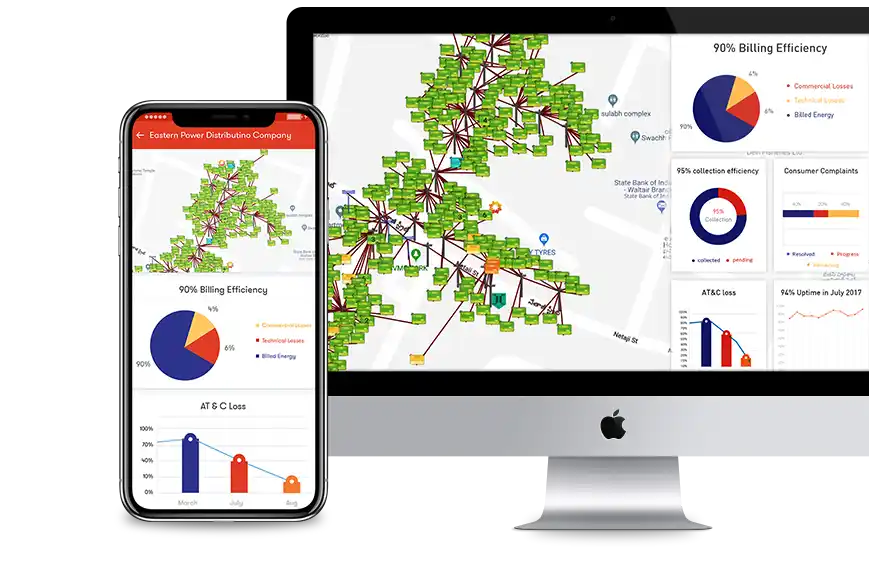
Smart metering improves grid visibility and enables smarter network management, resulting in:
A more efficient grid reduces operational costs for utilities while improving service quality and reliability for consumers.
While smart metering improves system-level efficiency, its most visible impact is at the consumer level.
Smart meters record electricity usage with high precision, ensuring:
Consumers pay only for the electricity they actually use.
Many smart meters support prepaid electricity options, giving consumers greater control over their energy spending.
This allows users to:
This flexibility is particularly beneficial for households seeking better control over their energy expenses.
Smart meters automatically alert utilities when outages or voltage issues occur.
This enables:
The result is improved reliability and faster response from utilities.
As smart meters become more widely deployed across India, consumers often have questions about privacy, safety, and accuracy.
Smart meters collect energy consumption data only, not personal information.
The data is encrypted and transmitted through secure networks to utility systems, ensuring high levels of data protection and privacy.
Smart meters emit very low levels of radiofrequency (RF) energy, significantly lower than everyday devices such as mobile phones or Wi-Fi routers.
They comply with national and international safety standards for electronic devices.
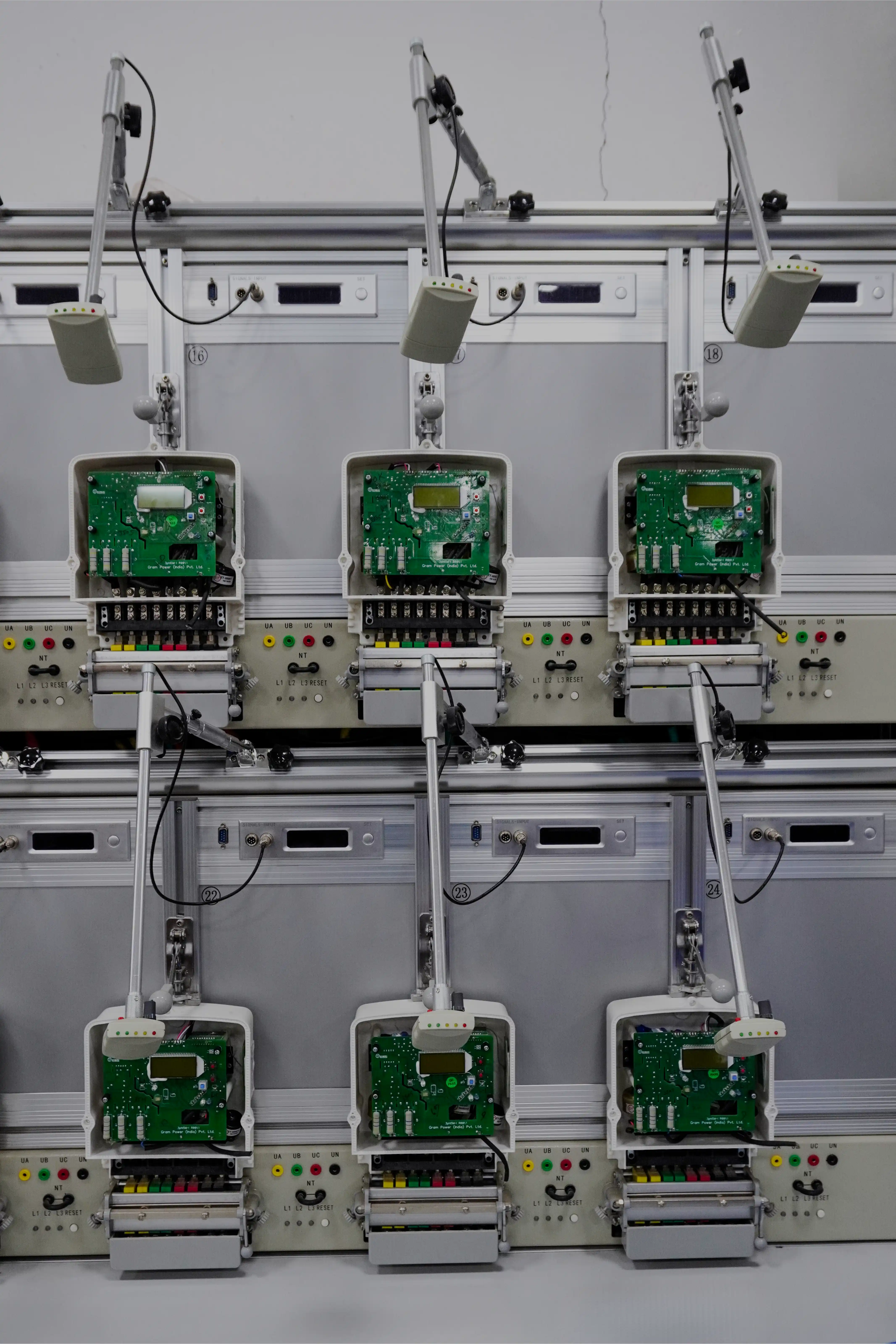
Smart meters undergo rigorous testing and meet strict regulatory standards for measurement accuracy.
They are significantly more accurate than traditional analogue meters, reducing billing errors.
The Government of India has launched several initiatives to modernise the power sector, with smart metering as a core component.
Key programs include:
These initiatives aim to:
Large-scale deployment of smart meters is a critical step toward building a digitally enabled electricity network.
Smart metering is not just a technological upgrade—it enables consumers to actively participate in India’s energy transition.
Consumers can contribute by:
Small behavioural changes, supported by smart technology, can collectively create significant national energy savings.
As India advances toward energy security and sustainability, smart metering will play a central role in shaping the future of electricity management.
By delivering accurate data, real-time insights, and transparent billing, smart meters empower consumers while helping utilities operate smarter, more efficient grids.
At Polaris Grids, we are committed to enabling this transformation by delivering advanced smart metering solutions that enhance visibility, improve grid efficiency, and strengthen trust across the electricity ecosystem.
Smart metering is not just about measuring energy—it is about building a smarter, cleaner, and more resilient energy future for India.