Hey, I'm ORBI!
How Smart Metering is Strengthening Rural Power Infrastructure?
 Smart Metering
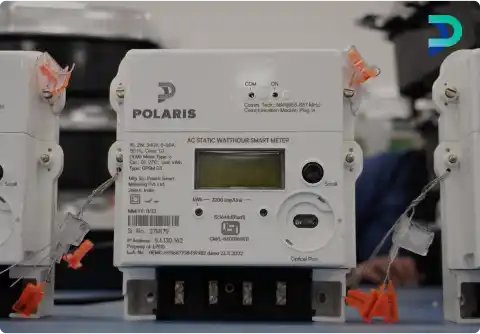
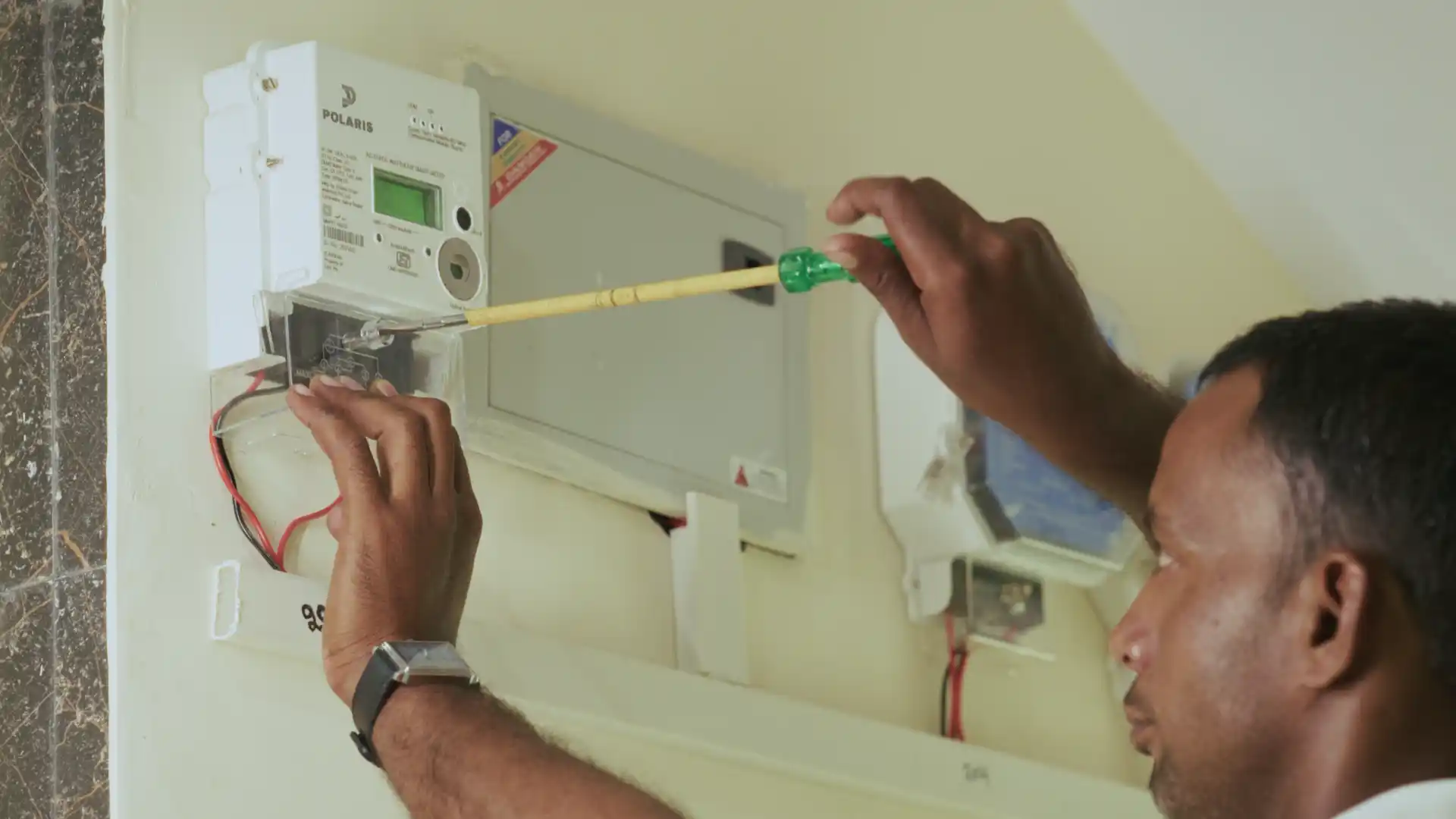
Smart metering is a cornerstone of modern, effective, and smart customer-focused electricity distribution systems. For rural India, where electrification has made a remarkable progress over time, challenges like power losses, unreliable supply, billing inefficiencies, and low revenue realisation continue to impact the sustainability of rural power networks.
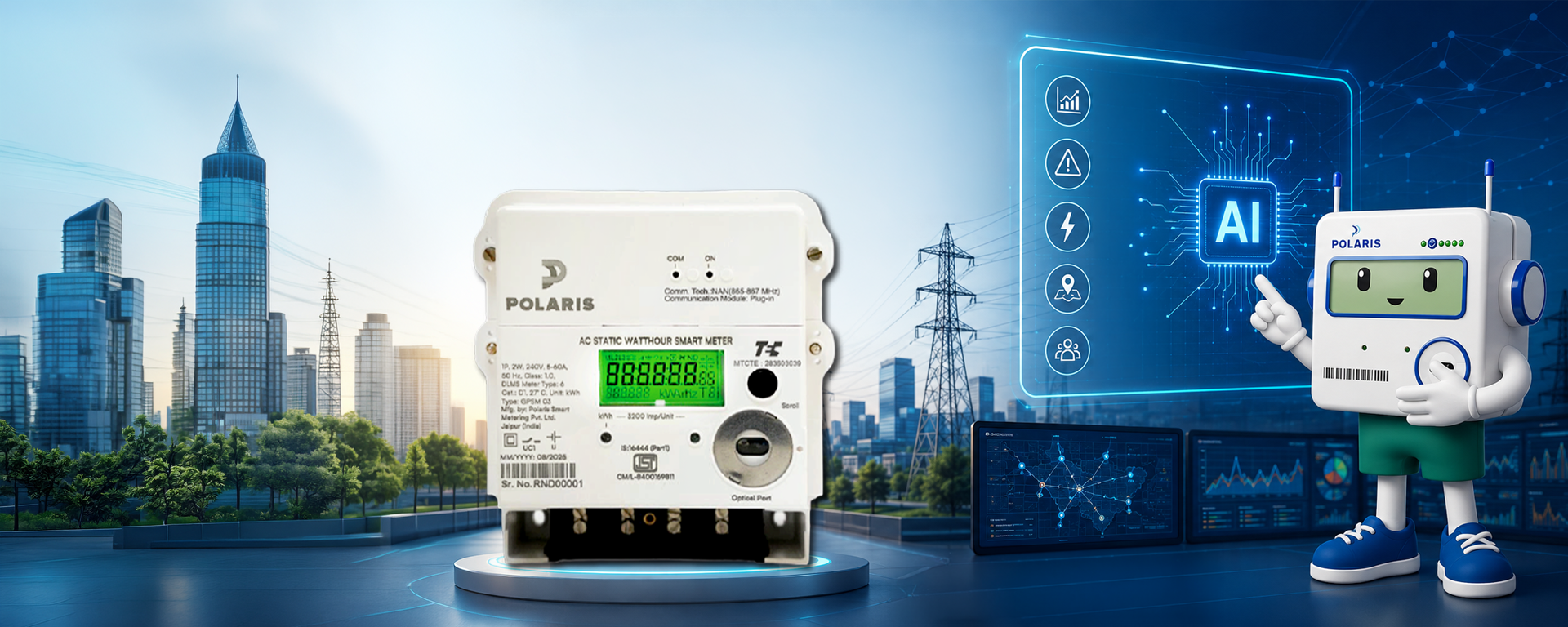
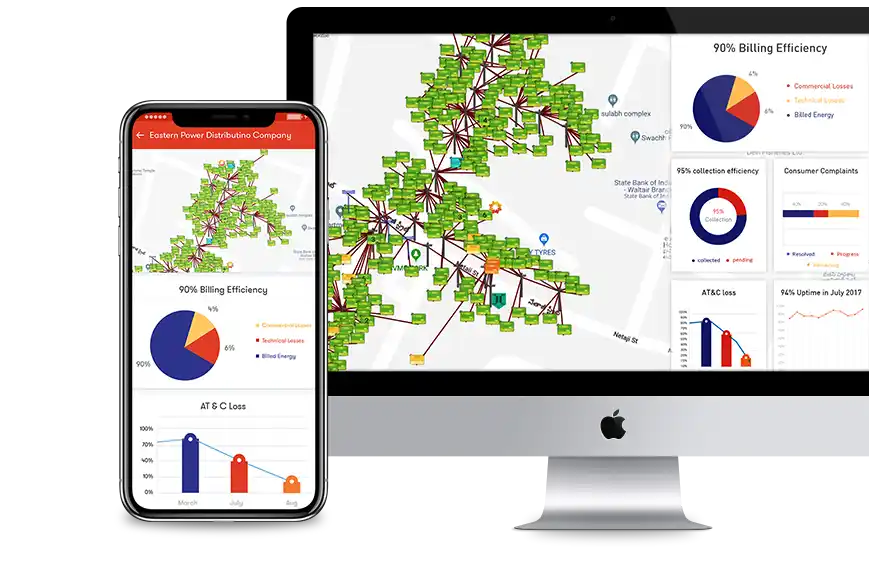
Smart meters offer a transformative solution to these challenges, reshaping the way electricity is delivered, monitored, and managed. By enabling real-time visibility into energy consumption, remote monitoring capabilities, and data-driven decision-making, smart meters enhance transparency, improve operational efficiency, and strengthen revenue collection. As a result, they empower DISCOMs to deliver more reliable power, reduce losses, and build a smarter, more resilient energy ecosystem for rural India.
Reliable electricity is essential for economic growth, education, healthcare, and overall quality of life. Despite significant advancements in electrification, many rural communities continue to face challenges such as frequent outages, voltage fluctuations, delayed billing, and limited visibility into electricity consumption.
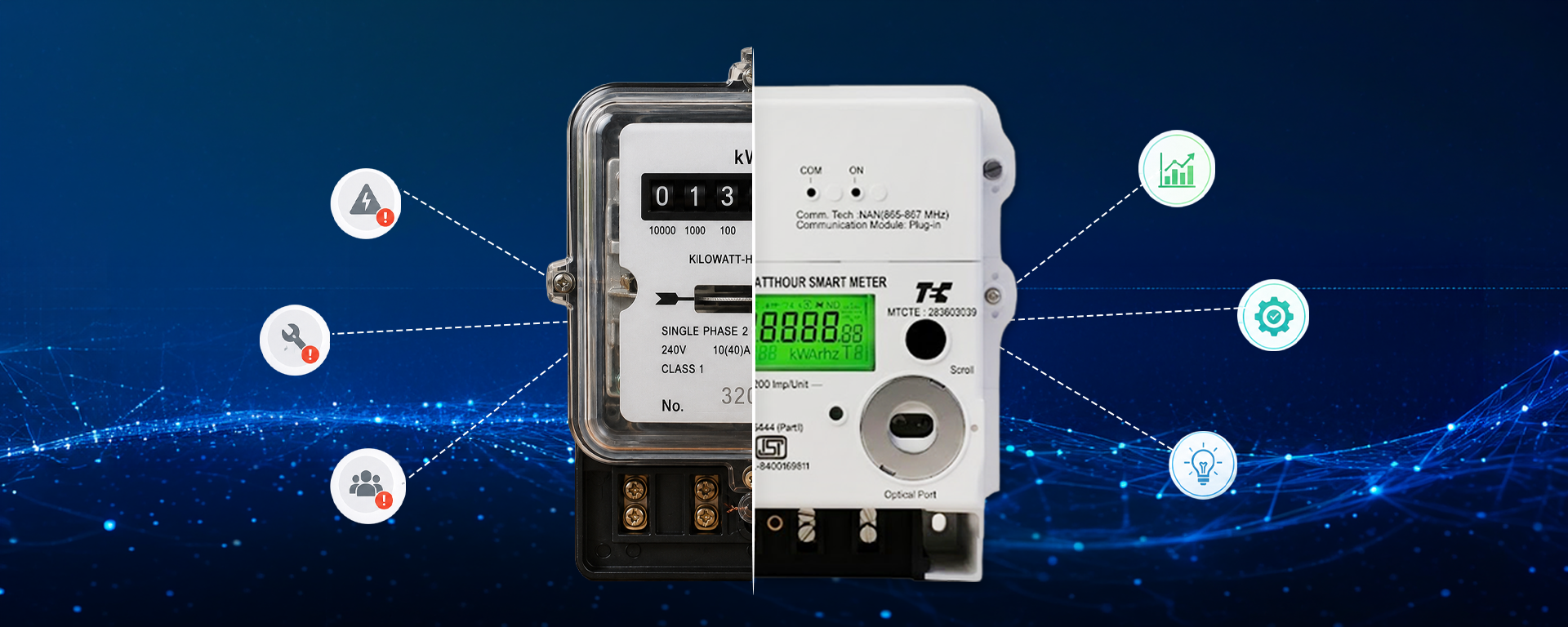
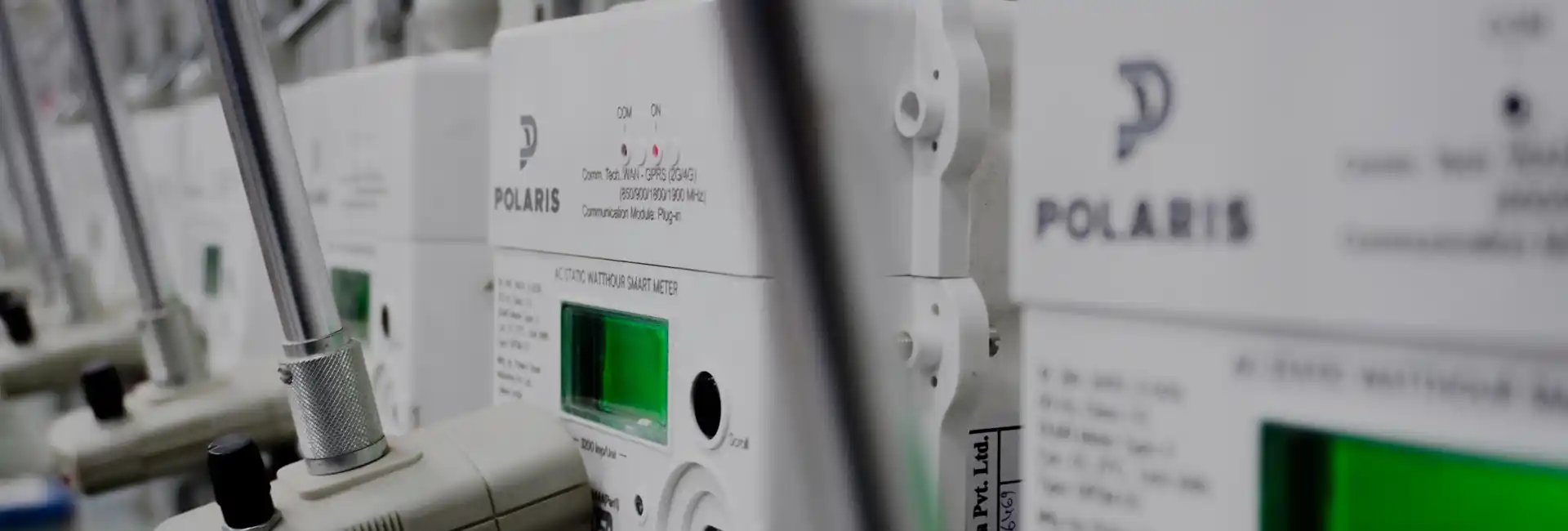
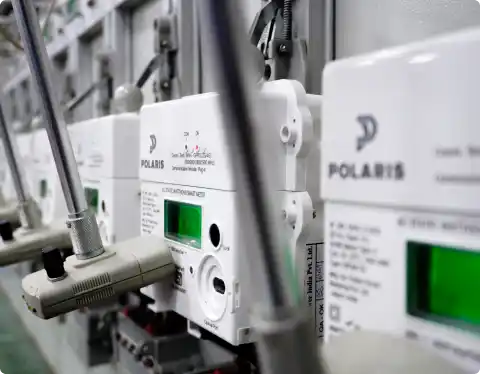
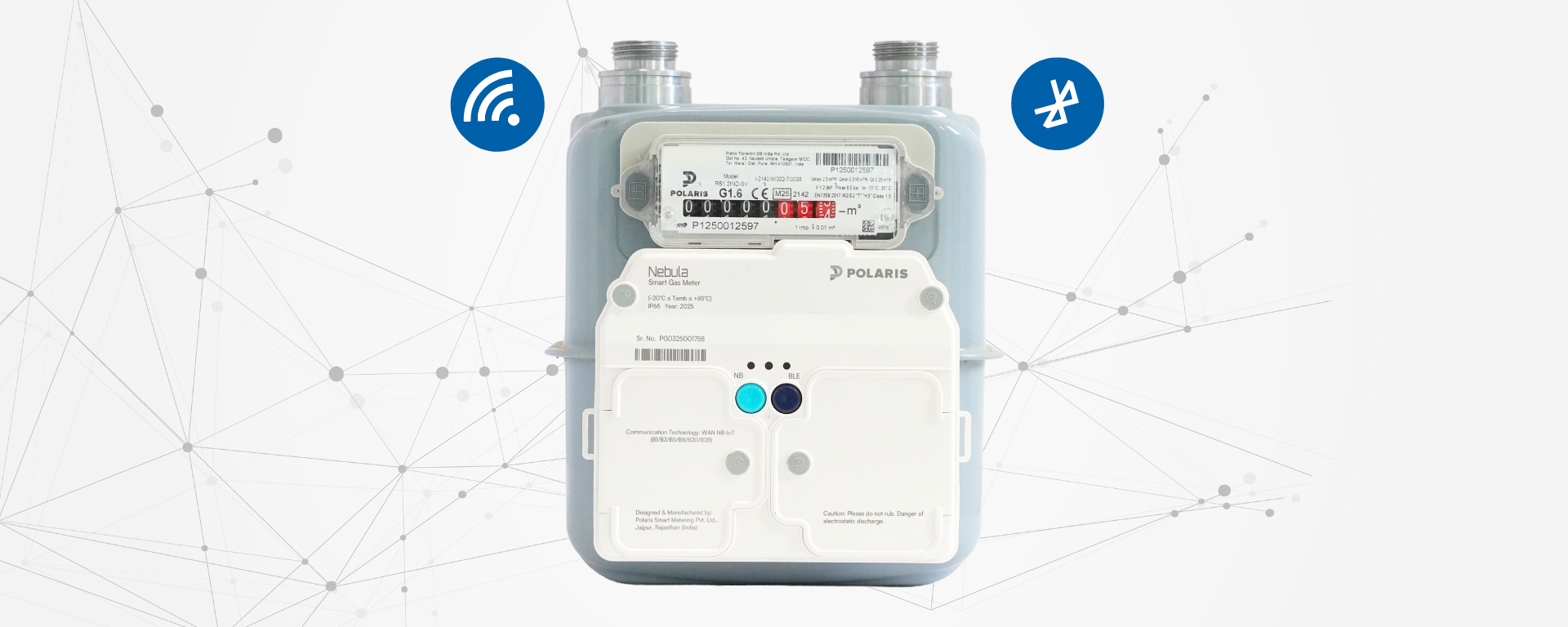
Smart meters address these issues by enabling real-time energy monitoring and automated data collection. Unlike conventional meters, they provide accurate consumption records, reduce manual intervention, and support proactive network management.
Unlike conventional meters, smart meters assist utilities in identifying faults, minimising energy theft, and enhancing the accuracy of billing, which improves the financial sustainability of rural power delivery. To the consumers, particularly the low and middle-income families, smart metering can facilitate greater control over smart electricity consumption, allow prepaid, flexible payment, and set a spending limit to stay within their budget.
At a broader level, smart meters enable utilities to manage rural networks more efficiently, incorporate renewable energy sources like solar, and plan infrastructure upgrades based on actual demand trends. As India continues to expand and modernise rural electrification activities, smart metering has become crucial for enhancing the reliability of smart supply, improving cost-effectiveness, and ensuring the sustainability of affordable, reliable electricity to communities in rural settings.
Smart meters promote the inclusion of renewable energy sources, e.g., rooftop and community solar panels, as a means of sustainable rural electrification.
Better Energy Management: Smart meters provide insights into the consumption patterns of consumers, enabling them to manage their consumption smartly and improve savings.
Poor power infrastructure and high implementation costs are two of the major challenges in implementing smart meters in rural India. Deploying smart meters in rural regions requires robust communication networks, reliable power infrastructure, and significant upfront investment. Remote geographies and ageing distribution systems can further complicate the implementation process.
The awareness and acceptance of smart meters by consumers are still minimal in most rural parts of India, and this determines whether the whole deployment will succeed or not. Limited awareness about smart metering technology often leads to misconceptions regarding billing, privacy, and control over electricity usage. Consumer education and community engagement are critical to successful adoption. Consumer education and community work are critical to ensuring the successful adoption of smart meters, building trust among consumers and emphasising the advantages of smart meters.
Many rural consumers continue to rely on cash-based bill payments, increasing operational costs and collection challenges. Transitioning to prepaid and digital payment models requires both infrastructure and behavioural changes.
The power sector reform in India remains unfulfilled because of its consistent financial and operational problems experienced by electricity distribution companies (DISCOMs). There is profound inefficiency in the distribution and revenue collection processes, as in 2020-21, more than half of public-sector DISCOMs were reporting Aggregate Technical and Commercial (AT&C) losses above 20 per cent.
High AT&C losses undermine the stability of a DISCOM to supply reliable 24/7 electricity. Such losses are mainly associated with low tariffs, delayed payment and ineffective systems of collecting the bills.
The low rate of revenue recovery puts a burden on the finances of DISCOM and restricts their ability to invest in upgrading their networks and improving service quality. Despite such limitations, the industry has high growth.
The low-cost, durable smart meters are advancing and enhancing affordability & reliability in rural and semi-urban locations. However, universal metering requires DISCOMs to adopt modern digital tools, stronger IT systems, and better data integration. Although there’s a high rate of smartphone ownership, the rate of digital bill payments is low, and simple, smart apps with local languages, incentives, and ongoing consumer education are a way to spur the growth.
The rural-to-smart-metering transition in India is not easy, but it has tremendous potential to modernise the power industry. Addressing infrastructure gaps, costs, cybersecurity, and consumer awareness will require coordinated efforts from policymakers, utilities, technology providers, and communities. Smart meters can help increase transparency, minimise losses and improve service reliability in a phased and collaborative way. Various organisations in the industry, such as Polaris Grids, play a pivotal part in building a smart future for India’s energy infrastructure by providing cost-effective, India-specific solutions that can be used to improve the benefits of smart metering even in the remotest rural locations.