Hey, I'm ORBI!
How Smart Metering Is Powering the Shift from Reactive to Predictive Utility Operations
 Smart Metering
For decades, DISCOMs in India have followed a similar pattern of functioning, which has been primarily a reactive approach towards complaints received. A fault occurs, a consumer reports it, and a technician goes out to fix it. Or a billing issue is highlighted by a consumer, a technician visits to inspect the meter, and the dispute gets resolved eventually. The entire model was built around responding to problems after they happened rather than predicting potential fallouts & taking relevant preventive measures.
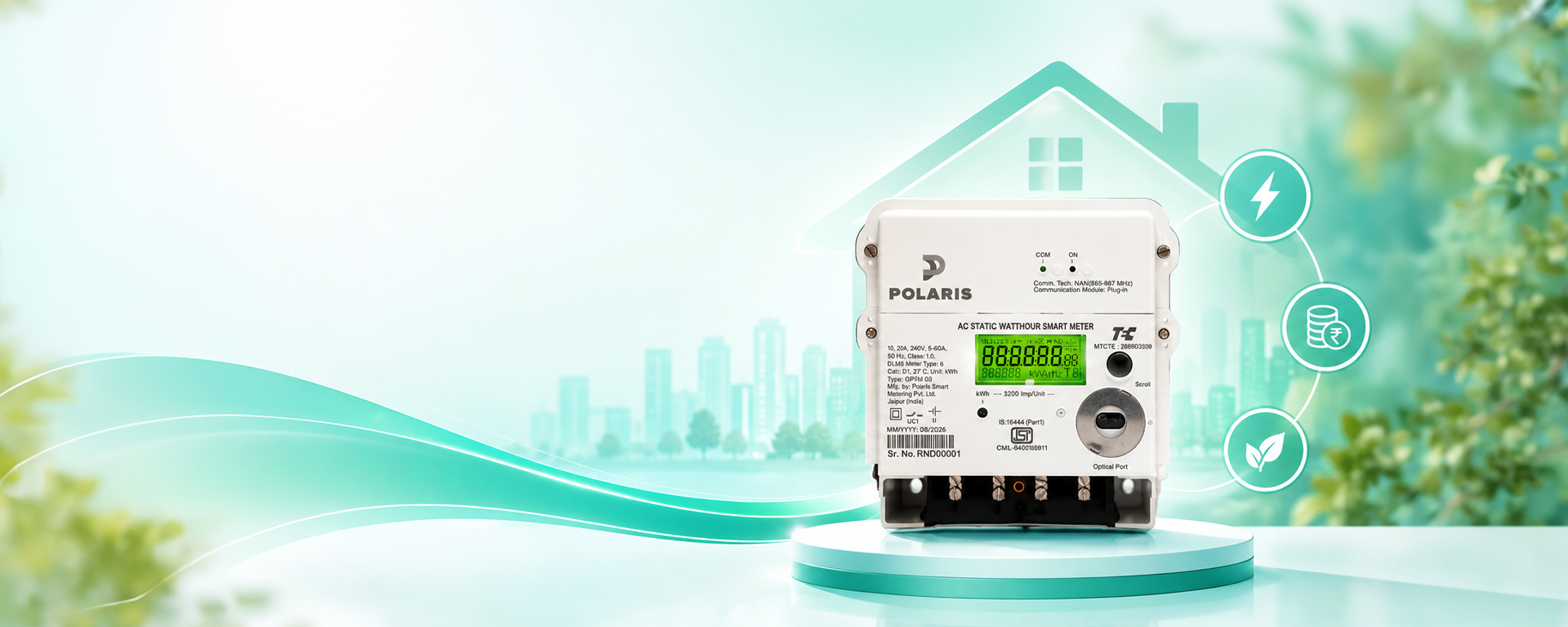
This was until the introduction of smart meters. Smart metering is fundamentally changing the reactive model. Instead of making utilities respond faster to grievances, the Advanced Metering Infrastructure is empowering DISCOMs with real-time data & intelligence, enabling them to anticipate issues, optimise operations, and make informed decisions before problems escalate.
Traditional utility operations have always been constrained by limited visibility. By the time a fault is reported, it has already caused an outage. By the time billing errors are identified, they may have affected dozens of consumers. By the time electricity theft is detected, months may have already passed, and substantial revenue has already been lost
The costs compound in both directions: financial losses from unbilled consumption and AT&C leakage, and service quality losses from outages that went undetected for too long. India's distribution sector has carried both for decades.
The root cause isn't the utilities themselves. It's the absence of real-time visibility. When DISCOMs can only see what happened after it has happened, reactive becomes the only approach available.
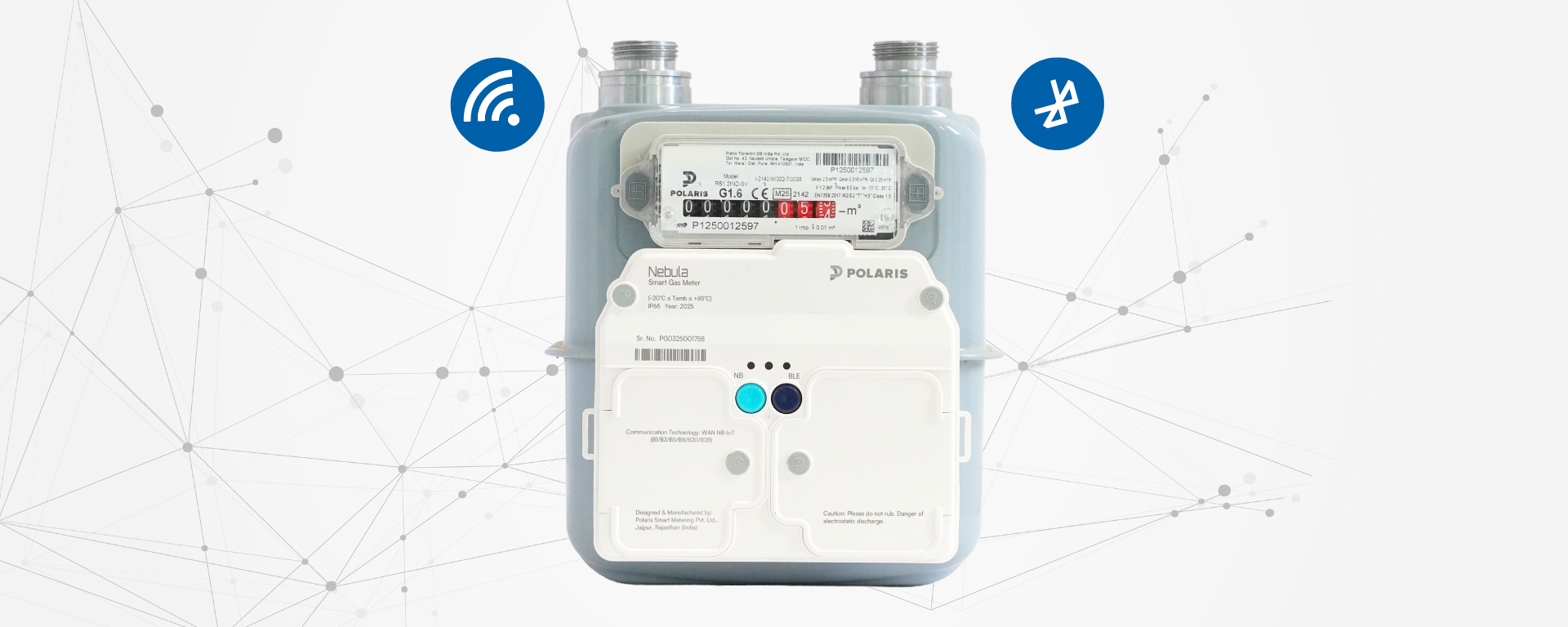
An Advanced Metering Infrastructure system doesn't just replace manual meter reading with automated data collection. It creates a continuous, two-way communication channel between every smart consumer connection and the utility's central system.
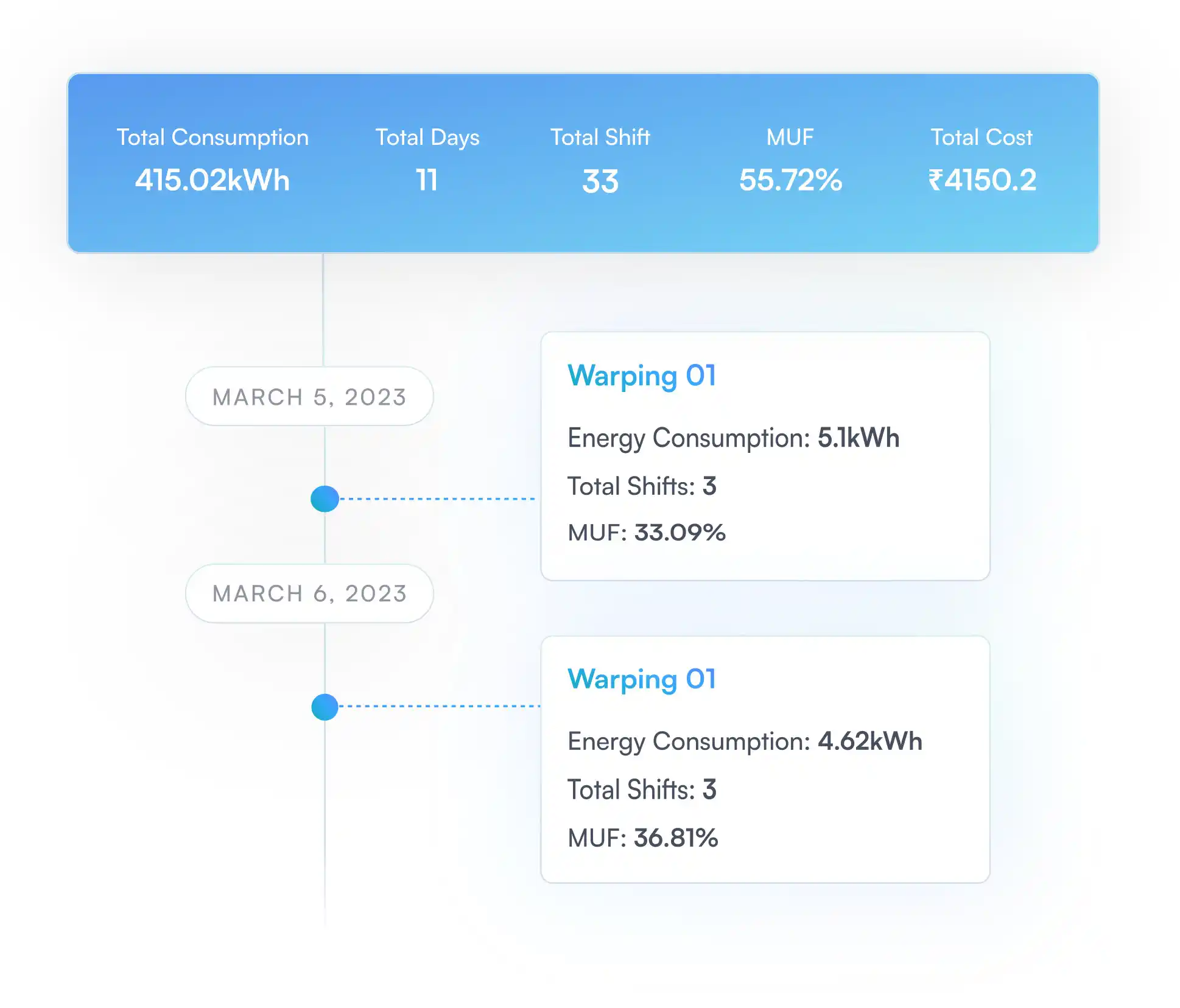
A smart meter transmits consumption data, voltage readings, power quality parameters, and tamper status back to the head-end system at intervals of 15 to 30 minutes. Instead of relying on monthly meter readings or waiting for customer complaints, utilities receive a continuous stream of operational intelligence across millions of consumer connections.
The shift from monthly snapshots to continuous data is what makes predictive operations possible.
When a smart meter goes offline or stops transmitting, the head-end system flags it immediately. The DISCOMs get to know about the outage even before receiving a consumer complaint. Field teams can be dispatched based on accurate location data rather than consumer-reported addresses. In dense urban networks with thousands of connections, this alone reduces average restoration times significantly.
Smart meters generate detailed consumption profiles across feeders, distribution transformers, and consumer categories.
This enables utilities to understand how electricity demand changes throughout the day, across seasons, and between different geographical areas.
Instead of reacting to overloaded infrastructure after failures occur, planners can identify assets approaching capacity and strengthen the network before service disruptions take place.
Smart meters record consumers’ consumption data continuously and flag anomalies automatically. A connection that shows zero consumption while the load profile of surrounding connections is normal gets flagged. A meter that shows tamper alerts gets flagged. The billing system can act on exceptions before they compound into months of lost revenue. For DISCOMs dealing with AT&C losses above 20 or 25 per cent, this shift from exception-after-the-fact to exception-in-real-time has direct financial consequences.
Load data from smart meters can be aggregated at the transformer level to track utilisation over time. A transformer running consistently at 90 per cent capacity during peak hours is a predictive failure risk. Utilities with AMI systems can see this pattern building and schedule maintenance or upgrades before the equipment fails rather than replacing it on an emergency basis after a failure has caused a localised outage.
India's Revamped Distribution Sector Scheme is driving the deployment of millions of smart meters across the country precisely because the government recognises that modernising distribution infrastructure is a prerequisite for a reliable, efficient grid.
With a national target of deploying 250 million smart meters under India’s RDSS program through AMISP-based deployment models, the objective extends well beyond replacing conventional meters. It is about creating an intelligent, digitally connected electricity network capable of supporting the country's future energy needs.
The widespread adoption of the DBFOOT (Design, Build, Finance, Own, Operate & Transfer) model through Advanced Metering Infrastructure Service Providers (AMISPs) further strengthens this transformation.
Rather than simply procuring hardware, utilities gain access to fully managed AMI ecosystems, ensuring long-term operational performance, continuous maintenance, and measurable service outcomes.
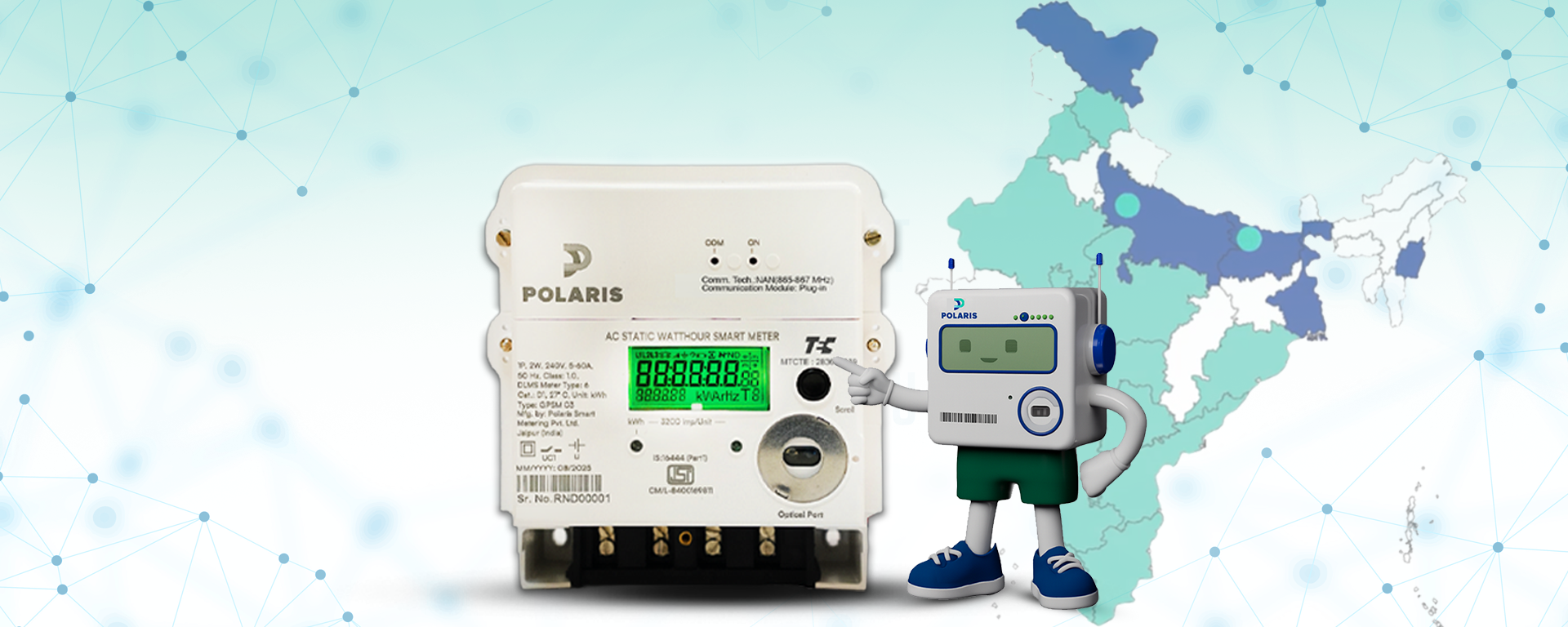
States like Bihar, Uttar Pradesh, West Bengal, Ladakh, and Manipur are already seeing active AMI deployment. As data from these networks accumulates, the pattern is consistent: utilities with operational smart metering infrastructure move measurably toward predictive operations, not because the technology forces it, but because the data makes it the obvious choice.
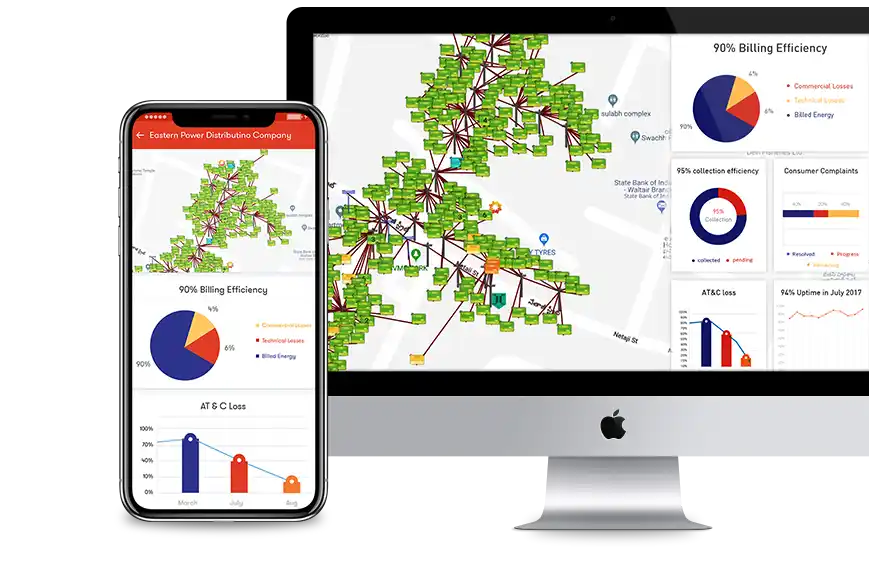
Hardware alone doesn't create predictive operations. The intelligence sits in the software systems that process, analyse, and act on metering data, the Head-End System, the Meter Data Management System, and the consumer-facing applications that make the data visible at every level.
An MDMS that flags anomalies automatically, integrates with billing systems, and generates actionable alerts for field teams is the difference between data sitting in a database and data driving operational decisions. The meter only collects data; it is the software that does something useful with it.
A utility operating on a mature AMI platform doesn't wait for outage calls — it dispatches before the call comes. It doesn't discover theft after a field inspection — it identifies it from a billing anomaly flag. It doesn't replace transformers after they fail — it schedules maintenance from load trend data.
The shift from reactive to predictive isn't a theoretical future state. It's the operational reality that AMI infrastructure makes available — and that India's distribution sector is, state by state, beginning to reach.