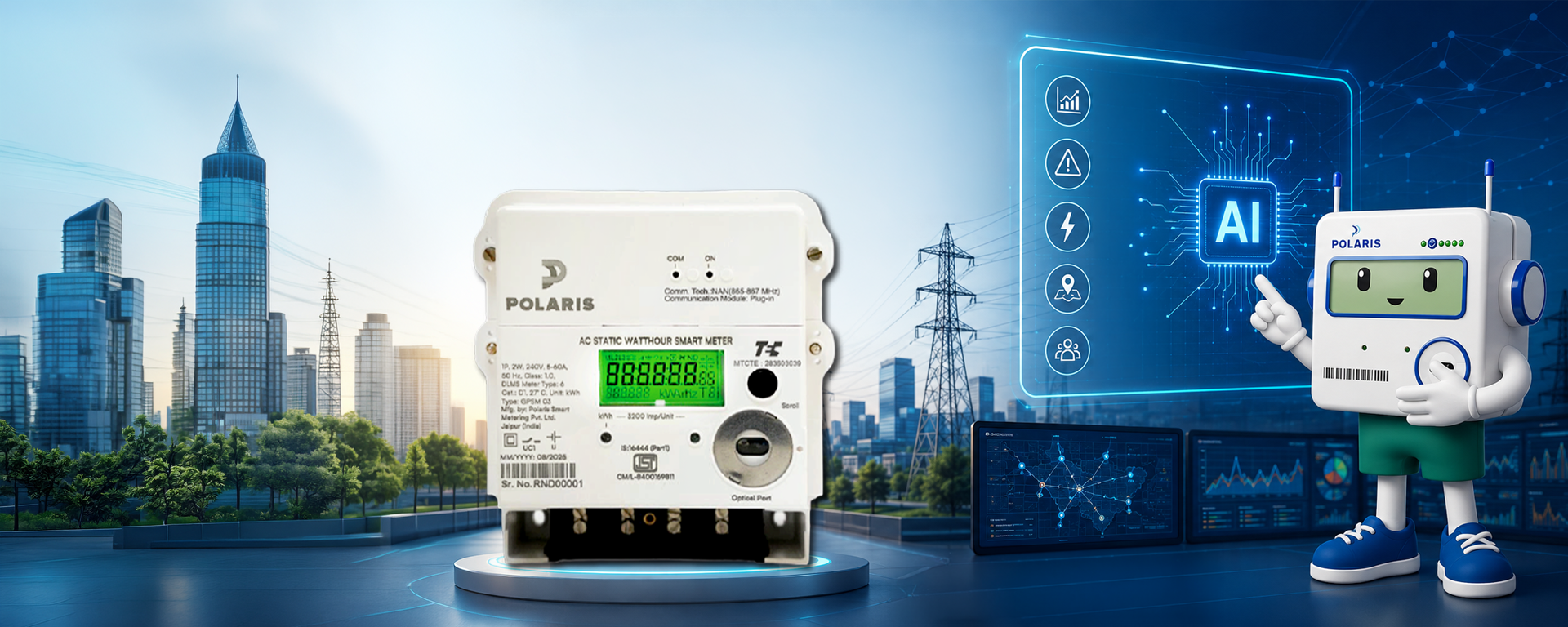
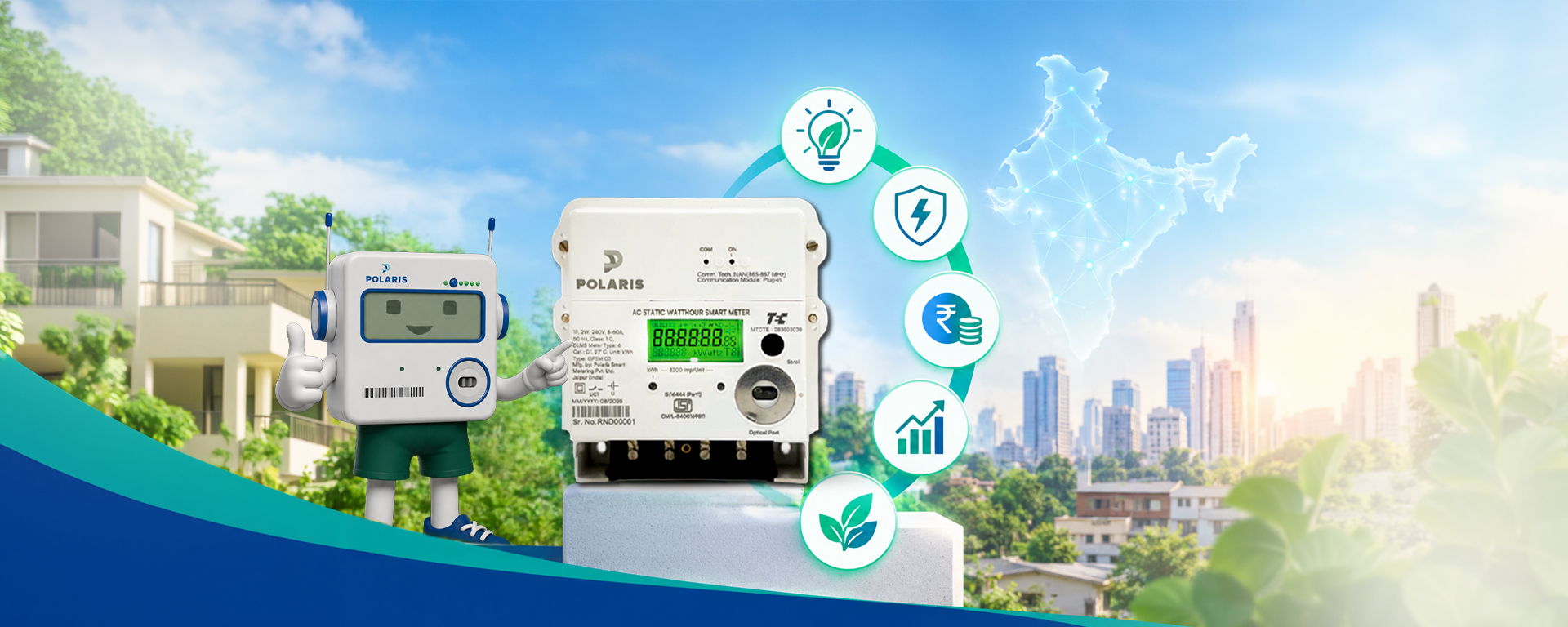
Hey, I'm ORBI!
6 Ways Smart Meters Are Transforming Energy Management in India
 Smart Metering
Managing electricity consumption has long been a challenge for consumers due to limited visibility into their energy usage. Most consumers only discover how much electricity they have used when the monthly bill arrives, without any visibility into when, where, or how that energy was consumed.
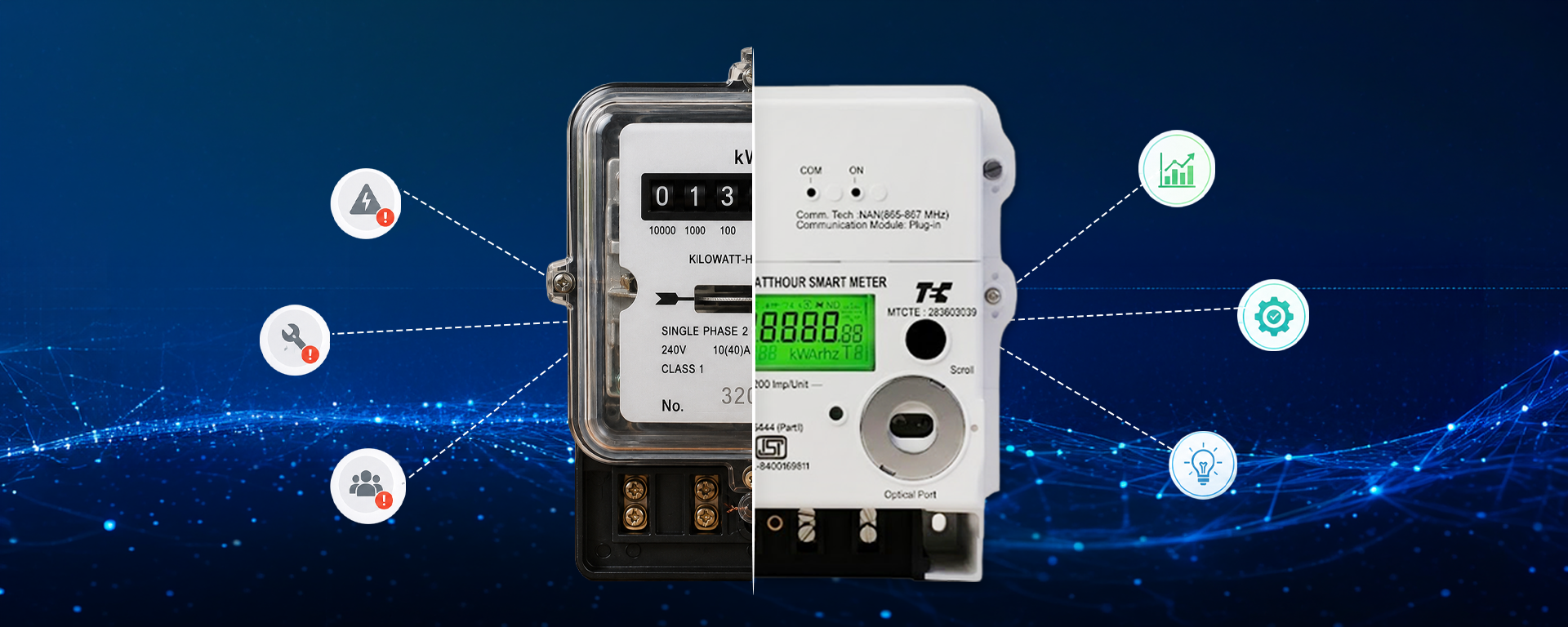
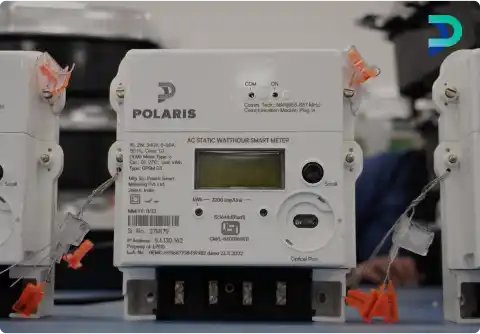
Traditional electricity meters simply record the total electricity usage. They don't provide insights into consumption patterns or help consumers make informed decisions about energy use. But now, smart meters are changing the way electricity is consumed & monitored. By providing real-time visibility into electricity consumption, smart meters empower households and businesses to monitor usage, reduce wastage, and take greater control of their energy costs.
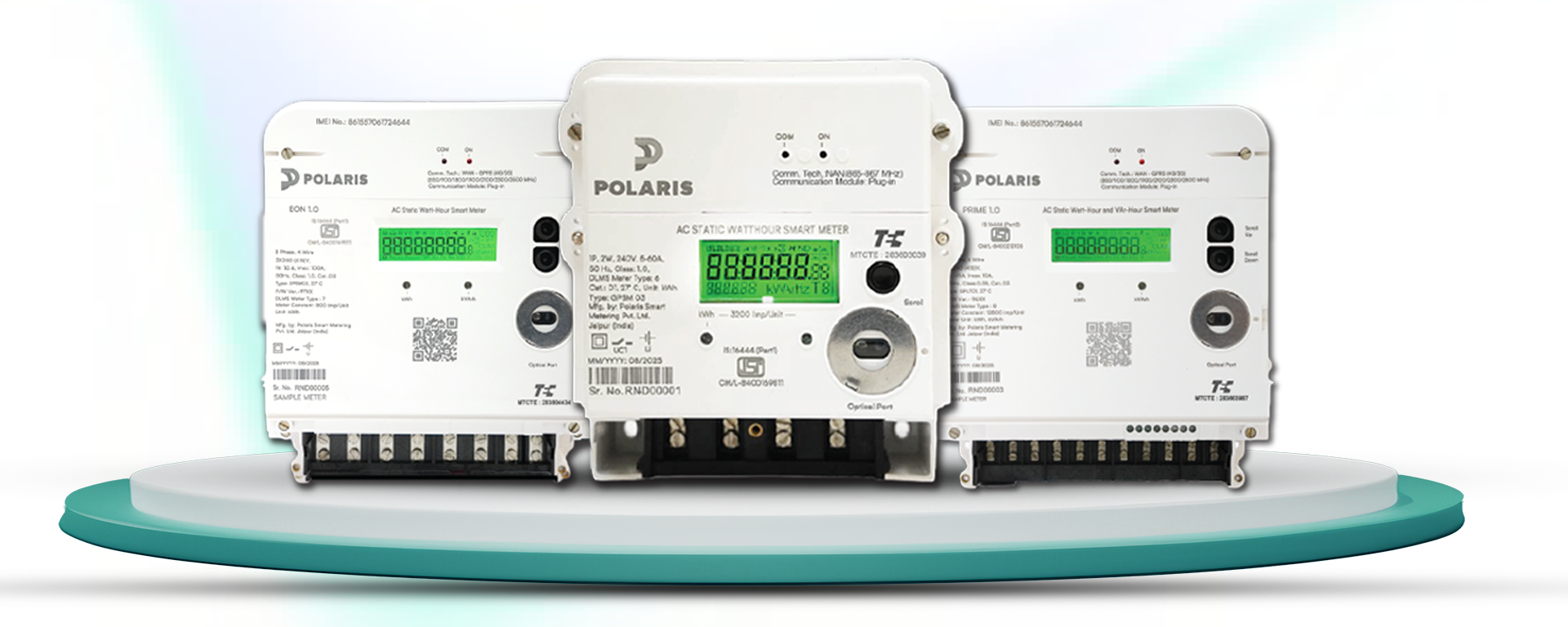
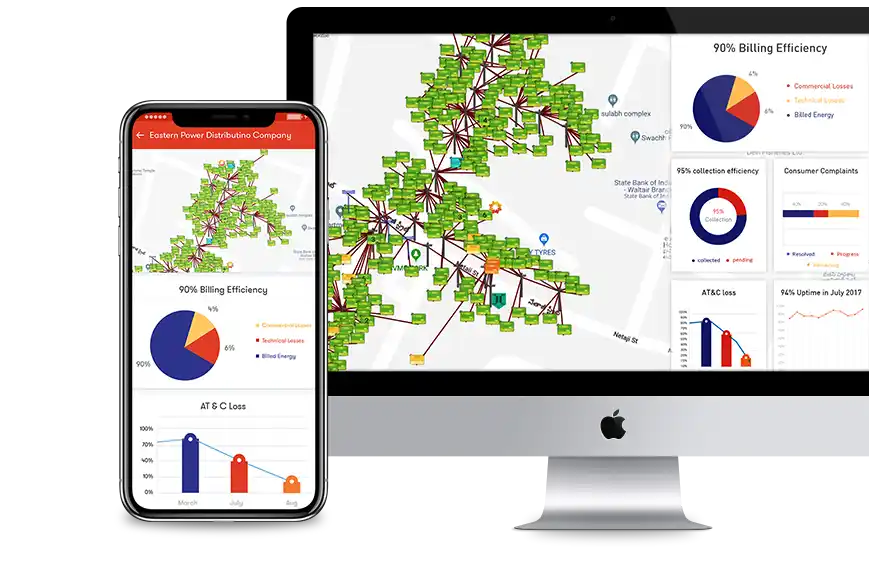
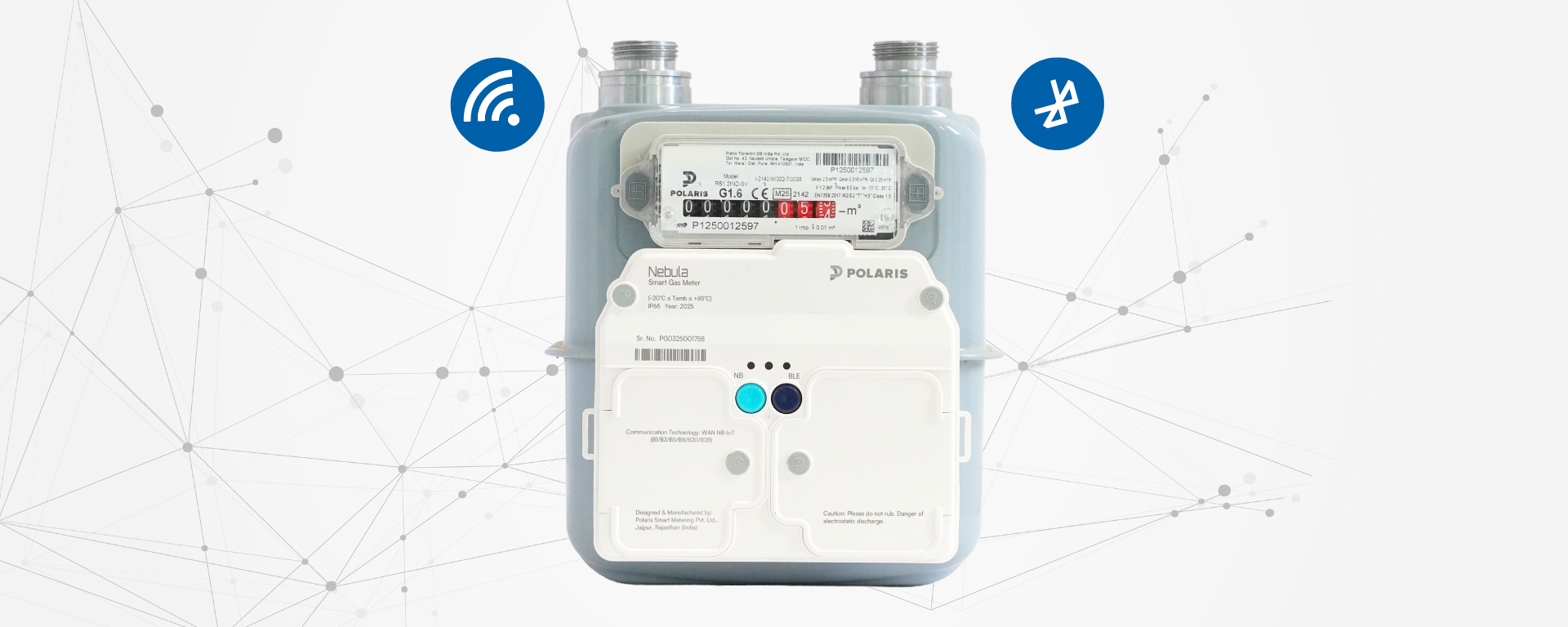
As part of India's power sector modernisation, smart meters are being deployed nationwide under initiatives such as the Revamped Distribution Sector Scheme (RDSS). These devices integrate seamlessly with Advanced Metering Infrastructure (AMI) and consumer mobile applications, giving both utilities and consumers unprecedented visibility into electricity consumption.
The impact of smart meters extends far beyond accurate billing. They are enabling consumers and utilities alike to manage electricity more intelligently, efficiently, and sustainably. Here are 6 ways smart meters are transforming energy management in Indian households and businesses.
Smart meters eliminate guesswork in energy bills. The traditional electricity meters usually found in our homes require manual meter readings, making the bills prone to reading errors & estimated billing. Such errors may result in a billing dispute and unexpected charges. However, smart meters, on the other hand, offer real-time remote monitoring and relay your actual consumption data to your utility company at defined intervals.
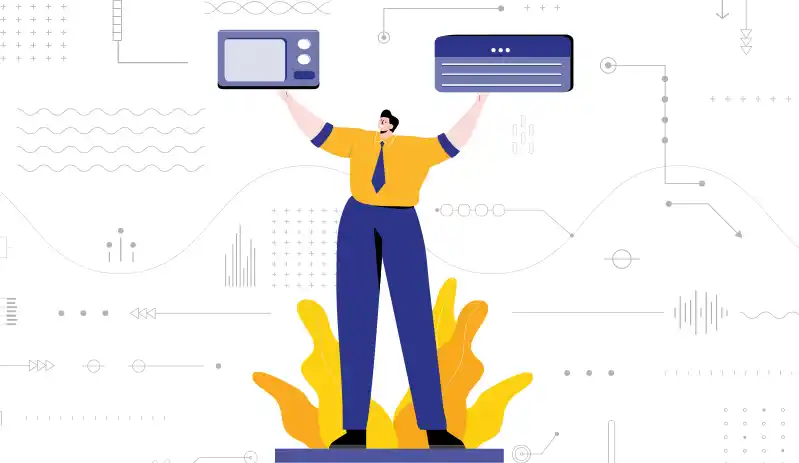
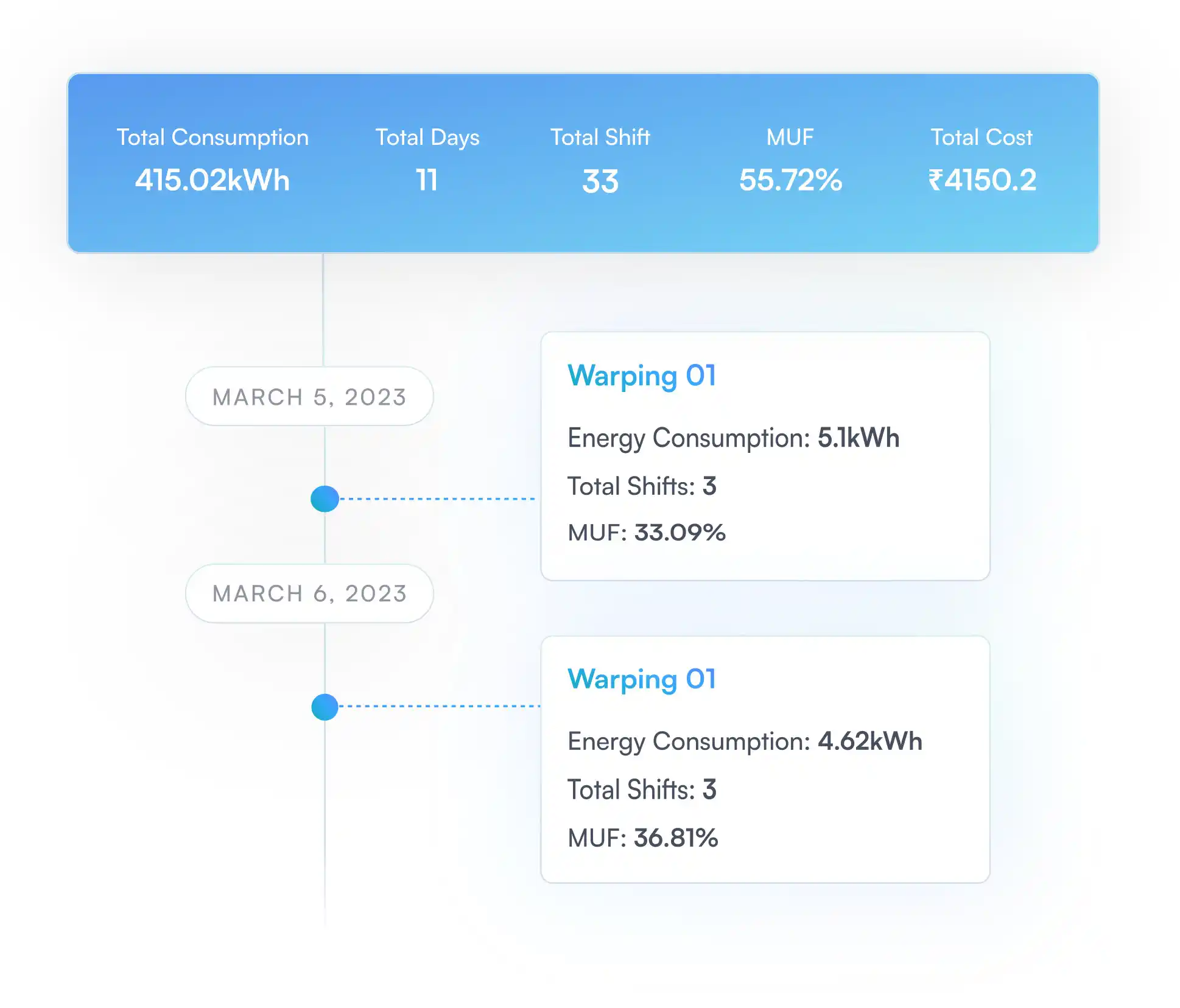
This means your bills reflect your actual usage, and you pay for the electricity you actually consume. With companion consumer apps, you can see your energy consumption update in near real-time. Plugged in a new air conditioner? You'll instantly see how much power it draws, helping you make immediate adjustments if needed.
One of the most valuable features that these smart meters unlock for consumers is access to Time-Of-Use (ToU) tariffs. As part of this smart pricing plan, the electricity costs vary throughout the day with lower rates during off-peak hours and higher prices during peak hours, when the load on the grid is at maximum.
With access to your real-time energy consumption, you can shift energy-intensive activities like running washing machines, dishwashers, or charging electric vehicles to off-peak hours when electricity is cheaper. This strategy will help you save a significant amount of money on energy every month.
The availability of consumption data radically transforms your thought processes about energy consumption. The studies have repeatedly demonstrated that buyers who frequently consider their energy usage habits change their behaviour and cut down their general consumption by 5-15%.
When you can see exactly how much electricity your geyser consumes during a 30-minute shower versus a 10-minute one, or how leaving devices on standby drains power throughout the day, you naturally become more aware. This awareness results in the implementation of practical changes: turning off lights when there is no use, turning down the thermostats and switching inefficient appliances.
Smart meters essentially make the invisible visible. Energy use that was previously an abstract idea that you only saw on your monthly bills is now something you can measure and improve every day.
India has made some ambitious climate goals, such as reaching a net-zero emission level by 2070 and installing 500 GW of renewable energy capacity by 2030. Smart meters have a main role in this transition because they allow more efficient energy use across the grid.
By keeping an eye on what you consume and taking steps to reduce it, you are making a direct contribution to reducing carbon emissions. Using less energy implies that less coal is burnt in power plants and fewer environmental consequences.
Smart meters make it easier to incorporate renewable energy sources such as rooftop solar panels. These meters can monitor the amount of clean energy produced and consumed, and the extra amount feeds back to the grid. Smart meters make the process of going green easier and more transparent.
Households and businesses with solar installations require smart meters. They provide comprehensive tracking of:
This detailed monitoring ensures accurate calculation of your solar feed-in tariff earnings, the credit you receive for excess solar power sent back to the grid. It would be almost impossible to track these several flows of energy without the use of smart metering.
The traditional metering creates a conflict between consumers and utilities in terms of the accuracy of the bills, approximated readings or a sluggish meter reading process. Smart meters are the solution to this problem, because they offer:
Smart meters represent far more than a technological upgrade; they are the foundation of India's smarter, more efficient, and more sustainable power ecosystem. By giving consumers greater visibility into their electricity usage while enabling utilities to improve operational efficiency, smart metering is helping transform the way India generates, distributes, and consumes electricity.
As smart meter deployments continue to expand across the country, they will play a pivotal role in creating a more connected, resilient, and consumer-centric power grid, supporting India's long-term energy and sustainability goals.